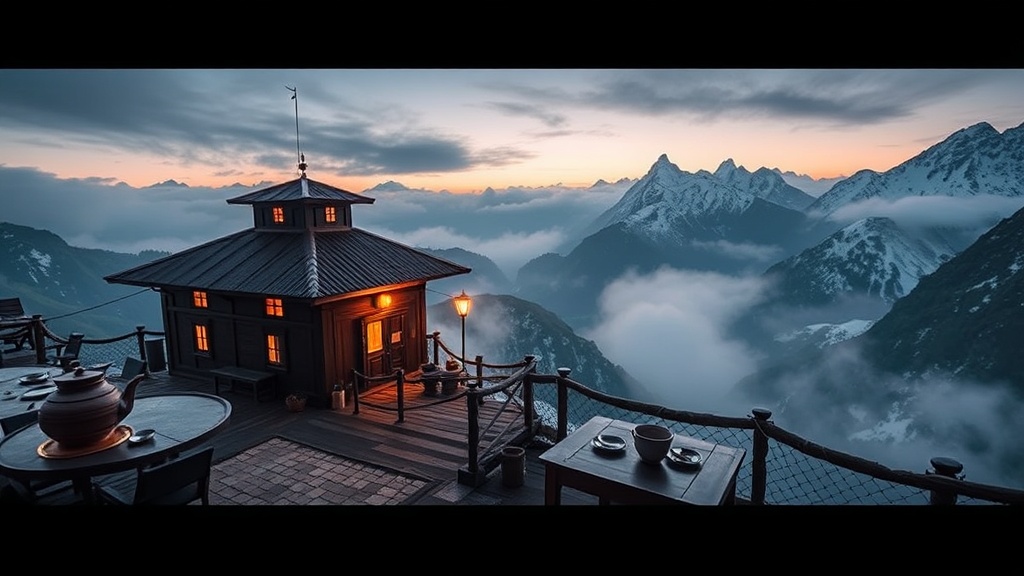
6 High-Altitude Tea Houses to Reward Your Himalayan Trek

The Warmth of Sherpa Hospitality in Nepal
Traditional Tibetan Butter Tea Traditions
Spices and Stews in the Ladakh Region
High-Altitude Comfort in Bhutanese Lodges
Local Grains and Mountain Porridge
The Best Spots for Evening Relaxation
At 5,000 meters, the human body undergoes physiological changes that make even a simple cup of tea feel like a luxury. High-altitude trekking in the Himalayas isn't just about the physical climb; it's about the survival and comfort provided by the tea house network. This guide highlights six specific tea houses that offer reliable shelter, warmth, and nutrition during your trek, helping you plan your logistics and expectations for comfort at high elevations.
The tea house system is the backbone of Himalayan trekking. These lodges aren't luxury hotels—they're rugged, functional, and often quite basic. You'll likely be sleeping in a room with several other people, sharing a common dining area, and dealing with limited electricity. But don't let that scare you. If you know what to expect, you can actually enjoy the experience.
What is the Best Tea House for Everest Base Camp?
The best tea houses for the Everest Base Camp trek are those located in the Khumbu region, specifically the lodges near Namche Bazaar and Tengboche. These locations offer the best balance of altitude, reliable food, and relatively stable Wi-Fi. While you won't find a heated pool here, the hospitality in this region is unmatched.
One of the most iconic stops is the Yeti Mountain Home collection, though many trekkers stick to smaller, family-run lodges for a more authentic feel. If you're looking for something slightly more stable, look for lodges that mention having solar power for charging devices. You'll definitely need to charge your phone or camera every night.
When you're at high altitude, your caloric needs skyrocket. I always recommend bringing high-energy snacks like Snickers bars or dried fruit to supplement the meals provided. It’s a smart way to keep your energy up when the local menu feels a bit repetitive.
Pro Tip: Always carry a high-quality sleeping bag. Even if the lodge provides a blanket, the temperature inside the rooms can drop significantly once the sun goes down. A Patagonia Down Sweater or a similar high-loft puffy jacket is a non-negotiable piece of gear for these evenings.
How Much Does a Tea House Stay Cost in Nepal?
A typical tea house stay in Nepal costs between $5 and $15 USD per night for a basic room, excluding meals. Most trekkers find that their biggest expenses aren't the rooms themselves, but the food and hot showers. In the higher reaches of the Himalayas, prices climb as the cost of transporting goods increases.
Here is a breakdown of estimated daily costs you should budget for during a trek:
| Item | Estimated Cost (USD) | Notes |
|---|---|---|
| Basic Room (Twin Share) | $5 - $10 | Often unheated. |
| Hot Meal (Dal Bhat) | $7 - $12 | The gold standard for energy. |
| Hot Shower | $3 - $7 | Usually charged per use. |
| Wi-Fi Access | $3 - $5 | Per day or per connection. |
| Charging Electronics | $2 - $4 | Per device. |
The "Dal Bhat" is your best friend. It's a traditional lentil soup and rice dish that is incredibly filling. Most tea houses offer unlimited refills of the rice and lentils, which is a lifesaver when you're burning thousands of calories a day. It's also much more reliable for your stomach than trying to find Western food at high altitudes.
1. Tengboche Monastery Lodge
Located near the famous Tengboche Monastery, this is one of the most spiritual stops on the Everest trek. The views of Ama Dablam from the dining area are absolutely breathtaking. It’s a high-altitude stop, so expect thin air and brisk winds. The lodge provides a sense of community that is hard to find elsewhere.
2. Manang Village Lodges
Manang is a major hub for trekkers heading toward the Thorong La Pass. The lodges here are slightly more substantial than the ones found in the higher Everest camps. You'll find better variety in the menus and more consistent electricity. It’s a great place to rest and acclimatize before the final push toward the pass.
3. Dingboche Tea House
Dingboche is where the real altitude sickness testing begins. Most lodges here are functional and basic, designed to get you through the trek. The air is noticeably thinner here, and you'll feel it in your lungs. Don't expect much more than a bunk and a warm bowl of soup. But the sense of accomplishment when you reach this height is massive.
4. Lo Manthang Lodges (Upper Mustang)
If you are trekking in the Mustang region instead of Everest, the experience is entirely different. The tea houses here are often part of a Tibetan-influenced culture. The architecture is different, and the landscape is much more arid. It feels more like a high-altitude desert than the lush valleys of Khumbu.
5. Lukla Base Lodges
Luk la is your gateway. The lodges here are often the first or last-stop for many trekkers. Because it's a hub for flights, the service is relatively fast, but it can get incredibly crowded during peak season. It's a great place to gear-check and ensure your hiking boots are broken in properly before heading higher.
6. Everest View Lodge
This is a premium option for those who want a slightly better view and a bit more comfort. While it's still a tea house, the perspective of the surrounding peaks is unparalleled. It's the perfect spot to sit with a hot cup of tea and just soak in the scale of the mountains. It's a moment of stillness before the heavy climbing begins.
What Gear Should I Bring for Tea Houses?
You should bring a lightweight sleeping bag, a portable power bank, and plenty of water purification tablets. While tea houses provide the structure, they don't provide the luxury of modern amenities. Being prepared with your own gear makes the difference between a miserable night and a restful one.
A few things people often forget:
- Earplugs: Snoring is a universal constant in communal tea house rooms.
- Headlamp: You'll need this for navigating dark rooms or reading in the common area.
- Hydration Bladder: Drinking water is your primary defense against altitude sickness.
- Wet Wipes: Showers are a luxury, so these are vital for basic hygiene.
The weather in the Himalayas is unpredictable. One minute it's sunny, the next you're caught in a freezing wind. I always tell people to pack layers. A Merino wool base layer is a great choice because it doesn't hold odors as much as synthetic fabrics—a huge plus when you aren't washing clothes for a week.
If you're interested in more rugged terrain, you might enjoy reading about rugged treks in Western Canada. The level of isolation is different, but the preparation required is similar.
One thing to keep in mind: the altitude affects everyone differently. Some people can walk through a tea house and feel fine, while others struggle with even the simplest tasks. Listen to your body. If you feel a headache coming on, don't try to "tough it out." It's better to stay in a tea house for an extra day than to push into a medical emergency.
The tea house culture is a beautiful part of the Himalayan experience. It's where stories are shared over steaming mugs of ginger tea and where the world's greatest climbers rest. It's humble, it's rugged, and it's exactly what makes the trek feel like a true adventure.