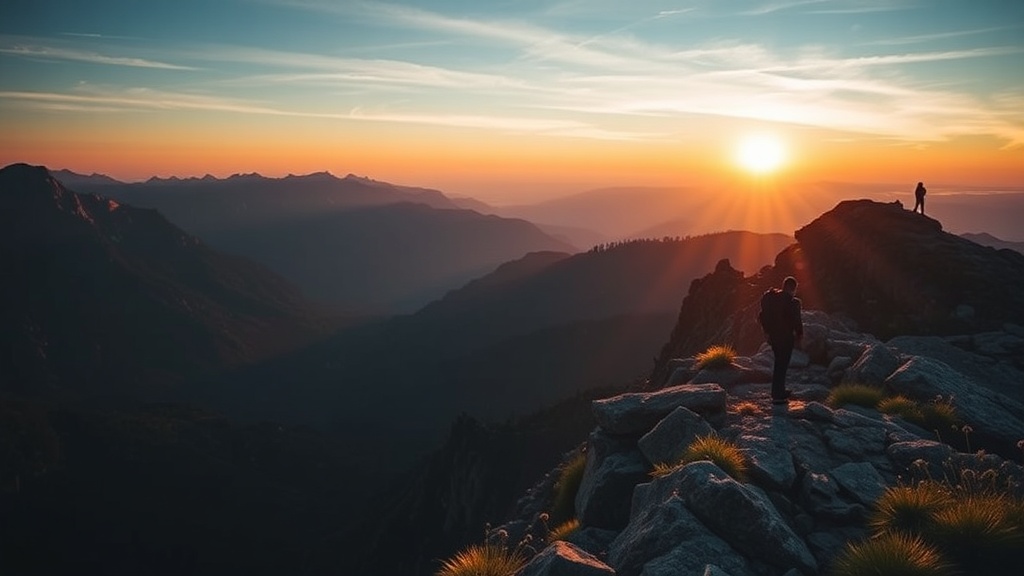
7 Epic Hiking Vacations That Will Transform Your Soul

Patagonia's W Trek - Torres del Paine National Park
The Inca Trail to Machu Picchu - Peru
Tour du Mont Blanc - France, Italy & Switzerland
Kumano Kodo Pilgrimage Trails - Japan
Zion Narrows - Utah, USA
What Are the Best Hiking Vacations for Life-Changing Experiences?
These seven destinations deliver more than pretty views. Each trail challenges the body, quiets the mind, and leaves hikers fundamentally changed. Whether you're craving glacier-capped peaks, desert solitude, or ancient pilgrimage routes, this list covers transformative treks across six continents. No fluff. Just trails that matter.
1. Torres del Paine National Park, Patagonia — Chile
The W Trek here isn't just a hike. It's a five-day masterclass in humility.
You'll walk beneath granite spires that pierce clouds. You'll watch Grey Glacier calve into turquoise lakes with a sound like thunder. The wind — notorious, unrelenting — will push you backward on exposed ridges.
That's the point.
Most hikers book through Erratic Rock or Hotel Las Torres for logistics support. The refugio system (basic mountain huts) means you won't need a tent — though purists swear by camping at Paine Grande. Bring the MSR Hubba Hubba NX 2 if you're going that route.
The transformation happens around day three. That's when the ego quiets down. You stop checking mileage. You start noticing — really noticing — how light moves across the Cuernos del Paine at sunset.
2. The Annapurna Circuit, Nepal
Fifteen to twenty-one days. Thorung La Pass at 5,416 meters. This is the trek that rewired Western perceptions of Himalayan adventure.
The trail starts in humid subtropical valleys. You'll pass through terraced rice fields, ancient mani walls, and villages where Tibetan Buddhism still pulses through daily life. By the time you cross Thorung La — gasping, exhilarated — the landscape has shifted to a high-altitude desert that resembles the surface of Mars.
Teahouses dot the route. No camping required. Rooms run $3-5 USD per night. Meals (dal bhat — rice and lentils) cost another $4-6. The catch? Altitude sickness doesn't negotiate. Build in acclimatization days at Manang. Consider Diamox after consulting your doctor.
Hikers often describe the circuit as a meditation in motion. There's something about walking 200+ kilometers that strips away the noise of modern existence.
3. The Overland Track, Tasmania — Australia
Not as famous as Patagonia or Nepal. Maybe that's the appeal.
This 65-kilometer trail cuts through Cradle Mountain-Lake St Clair National Park in six days. You'll traverse button grass plains, ancient rainforests, and alpine plateaus where wombats waddle across your path without apology.
The huts here are well-maintained — a legacy of Tasmania's conservation ethic. Book through Tasmanian Parks and Wildlife Service. The fee includes hut access and wastewater management (leave-no-trace principles are strictly enforced).
Side trips make this trek special. Barn Bluff adds three hours. Mount Ossa — Tasmania's highest peak — demands a full day but delivers 360-degree views across the island's wild interior.
What Should You Pack for Multi-Day Hiking Vacations?
Pack light, pack smart, and never skimp on foot protection.
The gear you carry determines whether you'll savor the experience or suffer through it. Here's what actually matters after three days on the trail:
| Category | Recommended Gear | Why It Matters |
|---|---|---|
| Footwear | Salomon Quest 4D 3 GTX or Merrell Moab 3 Mid | Blisters end trips. Waterproofing saves you in river crossings. |
| Pack | Osprey Atmos AG 65 (men's) / Aura AG 65 (women's) | The Anti-Gravity suspension system redistributes weight to your hips. |
| Shelter | Big Agnes Copper Spur HV UL2 | Weighs under 3 pounds. Freestanding for rocky terrain. |
| Sleep System | Sea to Summit Spark SP II + Therm-a-Rest NeoAir XLite | R-value of 4.2 handles ground cold down to 20°F. |
| Navigation | Gaia GPS Premium + Garmin inReach Mini 2 | Offline maps plus satellite SOS capability where cell towers don't exist. |
Here's the thing — most people overpack clothing. You need one set for hiking, one for camp, and a puffy jacket. That's it. Wool (merino) doesn't stink after three days of sweat. Synthetic does.
4. The Tour du Mont Blanc, France/Italy/Switzerland
Loop around Western Europe's highest peak in 10-11 days. Cross three borders. Eat raclette in Swiss refugios, pasta in Italian rifugios, tartiflette in French gîtes.
This isn't wilderness hiking in the North American sense. You'll pass through hamlets. You'll sleep in beds (mostly). You'll drink wine with dinner because — well — you're in Europe.
That said, the physical challenge remains real. Daily elevation gains average 800-1,200 meters. The views of Mont Blanc's glaciated flanks? Absolutely worth every burning quadricep.
Book through Compagnie des Guides de Chamonix for self-guided options with luggage transfer — your duffel meets you at each night's accommodation while you carry only a daypack.
5. The John Muir Trail, California — USA
211 miles through the Sierra Nevada. Yosemite Valley to Mount Whitney.
This is John Muir's cathedral — the landscape that inspired the modern conservation movement. You'll pass through Yosemite, Kings Canyon, and Sequoia National Parks. You'll cross six mountain passes above 11,000 feet. You'll see lakes so clear they look Photoshopped.
The permit system is brutal (apply through Recreation.gov in January). The altitude is unforgiving. But the stars — my god, the stars — visible from Evolution Basin at 11,000 feet, unspoiled by light pollution, will recalibrate your entire sense of scale.
Most thru-hikers complete the trail in 15-21 days. Resupply points exist at Red's Meadow, Vermilion Valley Resort, and Muir Trail Ranch. Bear canisters are mandatory — the BearVault BV500 fits enough calories for 7 days.
Which Hiking Vacation Works Best for Beginners?
The Tour du Mont Blanc offers the best balance of challenge, comfort, and logistical support for first-time multi-day hikers.
Here's why: the trail is well-marked (look for the red-and-white stripes). The elevation gains, while significant, come in manageable daily chunks. The hut system means no camping gear required — just a daypack, good boots, and a reservation.
Worth noting — guided groups run by Macs Adventure or KE Adventure Travel handle all logistics including baggage transfers, hut bookings, and route planning. You walk. They worry. That's a fair trade when you're testing whether multi-day hiking is your thing.
If Europe feels daunting, consider the Oregon Coast Trail sections instead. Shorter segments. Lower elevation. Beach camping permits are easier to secure than JMT lottery slots.
6. The Laugavegur Trail, Iceland
Fifty-five kilometers of volcanic weirdness. Rainbow-colored rhyolite mountains. Black sand deserts. Geothermal vents belching steam across glaciers.
The landscape feels alien — like someone described Mars to a painter who'd never seen red. You'll start at Landmannalaugar (hot springs await) and finish at Þórsmörk, a valley named for Thor himself.
Huts book out months in advance through Ferðafélag Íslands (the Icelandic Touring Association). The season is short — mid-June through mid-September. Outside that window, snow makes the route impassable without technical gear.
Rivers here aren't bridged. You'll wade — thigh-deep, bone-chilling glacial runoff. Bring trekking poles for balance and quick-dry pants (the prAna Stretch Zion Pant works well).
7. The Kumano Kodō, Japan
Pilgrimage routes walked for over 1,000 years. Three shrines — Kumano Hongū, Hayatama, Nachi — connected through cedar forests that predate recorded history.
The Nakahechi route (the "Imperial Route") covers 70 kilometers over 4-5 days. It's less physically demanding than Annapurna or the JMT. The transformation here is quieter — more contemplative.
Stay in minshuku (family guesthouses) and ryokan (traditional inns). Eat kaiseki dinners. Soak in onsen (hot springs) at day's end. This isn't about conquering peaks. It's about walking as meditation — a practice Japanese pilgrims call junrei.
The Daimonzaka slope — moss-covered stone steps flanked by 800-year-old cedars — will silence your inner chatter whether you want it to or not.
How Much Should You Budget for a Transformative Hiking Vacation?
Expect $150-400 per day depending on destination, comfort level, and whether you're self-guided or supported.
The table below breaks down realistic costs for a 10-day trek:
| Destination | Budget (Self-Guided) | Mid-Range (Mixed) | Comfort (Supported) |
|---|---|---|---|
| Tour du Mont Blanc | $1,800 | $3,200 | $5,500+ |
| Annapurna Circuit | $600 | $1,200 | $2,500 |
| Torres del Paine | $1,200 | $2,400 | $4,000 |
| John Muir Trail | $800 | $1,500 | N/A (no supported options) |
Airfare isn't included. Neither is gear — though quality equipment amortizes across years of adventures.
"After seven days without cell service, you remember who you are beneath the notifications."
The best hiking vacations don't just show you new landscapes. They dismantle the identity you've constructed from job titles and social feeds. They remind you that capability — real, physical capability — feels better than any purchase.
Pick one. Book it. Walk until your thoughts slow down and your senses sharpen. That's the transformation these trails offer. No assembly required.