Finding Quiet Trails in the Dolomites
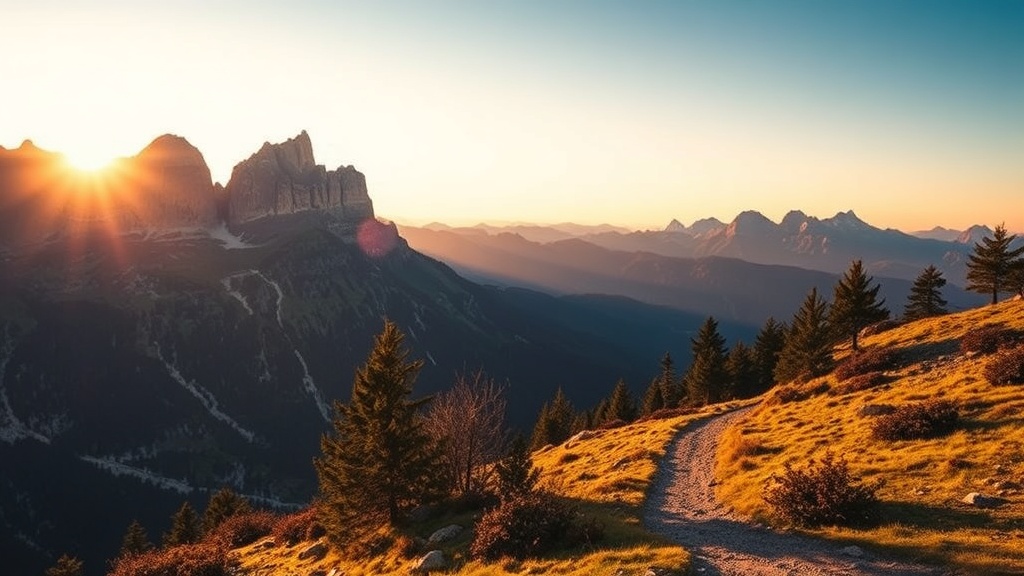
The jagged limestone peaks of the Dolomites catch the first light of dawn, turning a pale grey to a bruised, burning orange. It’s a sight that stops you mid-stride, but if you're looking for that same stillness, you won't find it on the main paths near Braies or Tre Cime. This guide focuses on identifying the lesser-known valleys and high-altitude routes that offer actual solitude in a region that is increasingly crowded. We'll look at the specific logistics of timing, gear, and geography to ensure your mountain experience feels like an escape rather than a crowded trek.
Where are the quietest hiking areas in the Dolomites?
The quietest hiking areas are found in the Sella Group and the Val di Fassa, specifically away from the major lift-accessed peaks. While everyone else is fighting for a photo spot at Lago di Braies, you can find profound silence in the higher reaches of the Pale di San Martino or the less-traveled loops around the Civetta massif. These areas require a bit more effort to reach, but the trade-off is a much higher ratio of mountain to people.
Most tourists stick to the "Instagram-famous" spots. They want the easy access provided by cable cars and well-marked, flat paths. If you want to avoid the crowds, you have to look for destinations that lack a direct lift connection. The high-altitude plateaus of the Sella Group are a great example—it’s a massive, lunar-like expanse that feels endless. Even during peak season, the sheer scale of the area makes it easy to find a spot where you can't hear another human voice.
I always suggest looking at the official Dolomites tourism portal for seasonal trail status updates, but don't rely on it for "crowd levels." It tells you if a trail is open, not how many people are on it. To find the quiet, look for trails that start at lower elevations and require a significant climb. The harder the ascent, the thinner the crowd.
Top Three "Secret" Regions
- Val di Zoldo: A rugged, traditional valley that feels much more authentic and less commercialized than Cortina d'Ampezzo.
- The Rosengarten Group: Famous for its reddish glow at sunset, but the interior trails are often overlooked for the more famous peaks nearby.
- Sexten Dolomites (Sesto): While popular, the high-altitude loops around the Drei Zinnen are often bypassed by those staying in the valley floors.
How much does a hiking trip to the Dolomites cost?
Let's look at the breakdown of typical expenses. If you're staying in a high-altitude hut, you're paying for more than just a bed; you're paying for the view and the food. Most rifugios offer half-board (dinner and breakfast), which simplifies your logistics significantly. It’s a way to stay high on the mountain without carrying a heavy tent and stove.
| Expense Type | Estimated Cost (Low) | Estimated Cost (High) |
|---|---|---|
| Mid-range Hotel (Per Night) | $120 | $350+ |
| Rifugio (Half-Board) | $80 | $150 |
| Daily Food & Drinks | $40 | $80 |
| Single Lift Pass | $35 | $55 |
One thing to keep in mind: the cost of a lift pass can add up if you use them daily. If you're a serious hiker, you might prefer to skip the lifts and earn your views. This saves money and, frankly, it’s much more rewarding. I personally prefer using the Dolomiti SuperSummer pass if I'm planning on using multiple lifts over a week—it's a solid investment if you're moving between different sectors.
What gear is necessary for high-altitude hiking?
High-quality footwear and a reliable weather-resistant shell are the two most important items in your pack. The weather in the Dolomites can shift from bright sunshine to a heavy thunderstorm in under twenty minutes. You can't rely on "good enough" gear when you're five hours into a trek and the temperature drops ten degrees.
Don't skimp on your boots. I've seen too many people try to tackle the technical scree slopes in standard running shoes, and it's a recipe for a twisted ankle. You need something with a stiff sole and good ankle support. A pair of Salomon X Ultra-style hiking shoes or a full-blown leather boot will serve you much better on the rocky terrain. (Also, make sure you break them in at home—nothing ruins a trip faster than a blister on day one.)
Your layering system is your lifeline. I never leave the house without my Patagonia Nano Puff or a similar lightweight down jacket. Even in July, the wind at 2,500 meters can feel biting. A hard shell is non-negotiable. It isn't just for rain; it’s a windbreaker when the gusts pick up on a ridge.
- The Base Layer: Merino wool (like Smartwool) to manage moisture.
- The Mid Layer: A fleece or light down jacket for warmth.
- The Outer Layer: A waterproof, breathable shell (Gore-Tex is the standard).
- The Footwear: Mid-cut hiking boots with high traction.
- The Pack: A 20-30L daypack with a rain cover.
If you're planning on staying in a rifugio, you can leave the heavy stuff behind. Most of these mountain huts are incredibly well-equipped. You'll find plenty of space for your gear, and the food is usually excellent. Just don't expect a five-star hotel experience—it's all about the atmosphere and the location.
One thing to watch out for is the water situation. While many mountain springs exist, you shouldn't drink directly from them without a filter. I always carry a Katadyn BeFree filter or even just a sturdy water bladder. Staying hydrated is the easiest way to prevent altitude fatigue, which is a real thing even at these modest heights.
The Dolomites are a different beast than the Rockies. The terrain is more vertical and the rock is much more brittle. You'll spend a lot of time stepping on loose scree, which requires a different kind of focus and balance. If you're used to the steady trails of the Canadian Rockies, prepare for more frequent pauses to adjust your footing. It's a beautiful, rugged challenge, but it demands respect.
The best way to experience the quiet is to get up early. If you hit the trail at 6:00 AM, you'll likely have the summit to yourself. By 10:00 AM, the lift-using crowds will arrive, and the peace will vanish. It's a trade-off between sleep and solitude, but in my experience, the early morning light is worth the alarm clock.