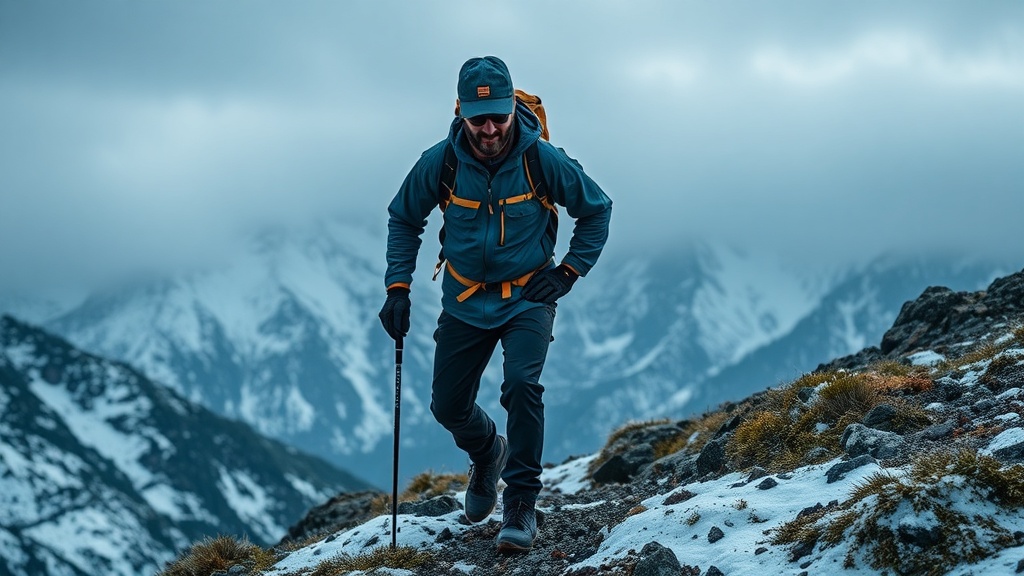
Mastering Mountain Moods: Smart Gear Choices for Unpredictable Trail Conditions

Mastering Mountain Moods: Smart Gear Choices for Unpredictable Trail Conditions
Have you ever found yourself on a stunning mountain trail, only for the weather to pivot dramatically from sunshine to sleet in a blink? It's a common scenario for anyone who ventures into higher elevations, and it leaves many hikers wondering: how do you truly prepare for such volatile conditions?
This guide isn't about predicting the unpredictable; it's about equipping you to comfortably and safely handle whatever the mountain throws your way. We'll dive into practical, tried-and-true gear strategies that will keep you on the trail longer and with greater peace of mind, ensuring those unexpected weather shifts become part of the adventure, not a reason to turn back.
What gear genuinely makes a difference when weather turns?
When weather shifts unexpectedly, the right gear isn't just a comfort—it's a critical safety measure. Think beyond the basics; consider items that offer true versatility and protection. Your choices here can literally make or break a hike, transitioning a challenging situation into a manageable one. It’s all about having a system that adapts as quickly as the conditions do.
- Layering Systems: The Foundation of Adaptability. Forget bulky jackets; the secret to all-weather hiking lies in a smart layering system. This typically includes a wicking base layer (to manage sweat), an insulating mid-layer (like fleece or a puffy jacket for warmth), and a waterproof, windproof outer shell. This allows you to add or remove layers as your body temperature and the ambient conditions change, preventing both overheating and hypothermia. You want materials that breathe when you're working hard but seal out the elements when you stop.
- Waterproof Outerwear: Your Mobile Shelter. A high-quality rain jacket and pants aren't optional; they're non-negotiable. Look for Gore-Tex, Pertex Shield, or similar proprietary waterproof-breathable fabrics. Pay attention to features like adjustable hoods, pit zips for ventilation, and sealed seams. Your shell needs to be robust enough to deflect driving rain and strong winds without feeling like a sauna inside.
- Insulated Puffy Jacket: Compact Warmth. Even on a summer hike, a lightweight down or synthetic puffy jacket is a must-have. It compresses small in your pack but provides immense warmth when you stop for a break or if temperatures plummet. Synthetic insulation retains warmth better when wet, making it a favorite for damp climates, while down offers superior warmth-to-weight in dry cold.
How do you stay warm and dry when the skies open up?
Staying warm and dry is paramount when hiking in volatile mountain environments. It’s not just about comfort; it's about preventing serious risks like hypothermia. Proper preparation means having strategies in place before the first drop of rain or gust of wind hits. You don't want to be fumbling with gear when conditions are already deteriorating.
- Headwear: Beyond a Baseball Cap. A warm beanie or wool hat is invaluable. You lose a significant amount of body heat through your head, so covering it can make a huge difference. For rain, a waterproof hat with a brim keeps water off your face and out of your eyes, complementing your jacket's hood.
- Gloves or Mittens: Protecting Your Extremities. Cold, wet hands can quickly become useless, making tasks like adjusting gear or opening snacks difficult. Pack a pair of waterproof gloves or mittens—even lightweight ones—to maintain dexterity and warmth. Merino wool liners can add an extra layer of insulation.
- Waterproof Footwear and Gaiters: Keeping Your Feet Happy. Your hiking boots should be waterproof (Gore-Tex liners are common) and well-broken in. But even the best boots can be overwhelmed in torrential rain or deep puddles. Gaiters form a seal between your pants and boots, preventing water, mud, and debris from entering, ensuring your socks—and thus your feet—stay drier.
- Dry Sacks or Pack Liners: Internal Protection. Your backpack might be water-resistant, but rarely is it fully waterproof in a downpour. Protect your essential items—extra clothing, sleeping bag, electronics, first-aid kit—by placing them in dry sacks or using a heavy-duty pack liner. This compartmentalization offers a fail-safe against a soaked pack. Learn more about protecting your gear in wet conditions by consulting resources like this one from