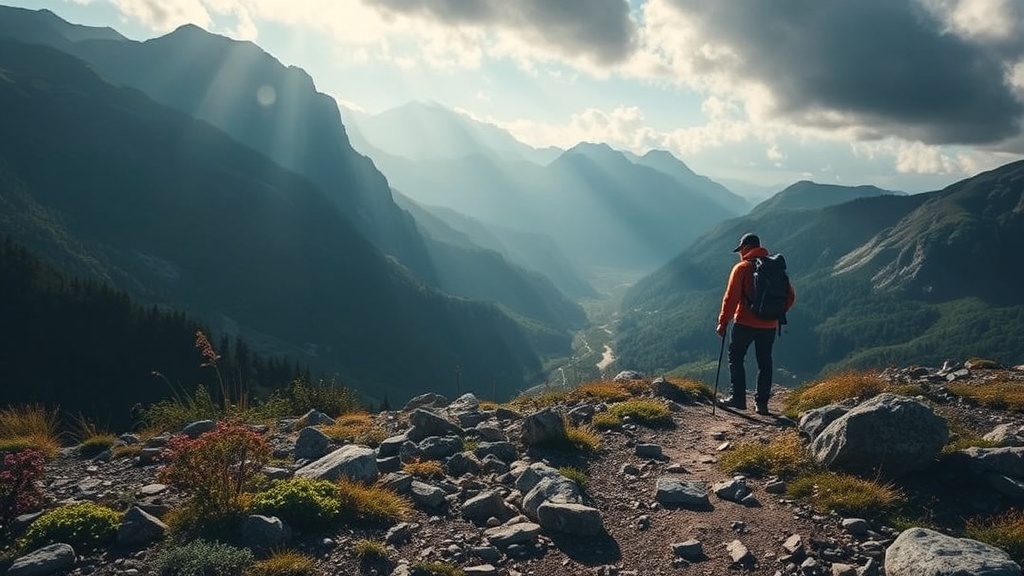
The One Hiking Tip That Prevents 90% of Trail Mistakes (And Why Most People Ignore It)

Most hiking advice gets noisy fast: gear lists, route apps, calorie counts, ultralight debates. Useful, sure—but none of it fixes the mistake that quietly ruins more trips than anything else.
If you only take one thing from this article, make it this: Start slower than you think you need to—and stay there longer than feels comfortable.
It sounds almost too simple to matter. It isn’t. This single habit prevents exhaustion, bad decisions, injuries, and the domino effect that turns a good hike into a miserable one.
Why Starting Slow Works (Even If You Feel Strong)
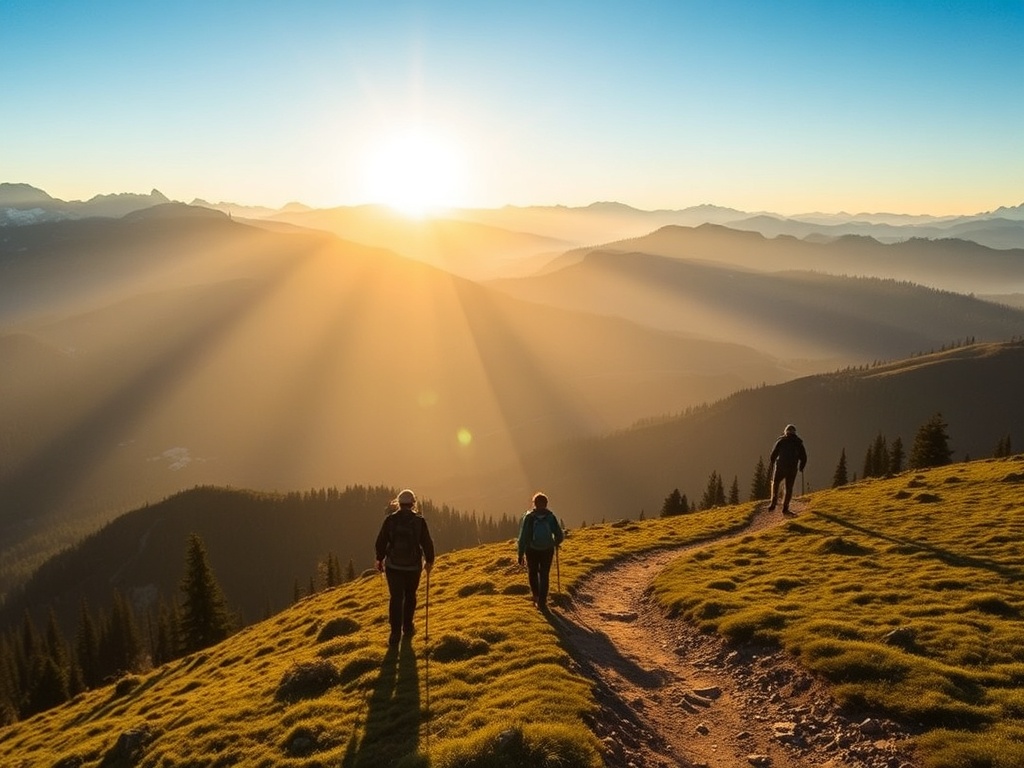
At the trailhead, your body lies to you. Adrenaline is high, legs feel fresh, and the terrain often looks manageable. That’s exactly when people push too hard.
What’s happening under the surface is different. Your muscles are cold. Your cardiovascular system hasn’t settled into rhythm. Your joints aren’t fully loaded yet. When you surge early, you burn through energy inefficiently and rack up fatigue that doesn’t show until later.
Experienced hikers recognize this pattern immediately. Beginners usually learn it the hard way—halfway up a climb, breathing hard, wondering why everything suddenly feels heavier.
Starting slow gives your body time to warm up properly. It lets your breathing stabilize and your stride become efficient. You move from “burst mode” into “endurance mode,” which is where successful hikes actually happen.
The Hidden Chain Reaction of Going Too Fast
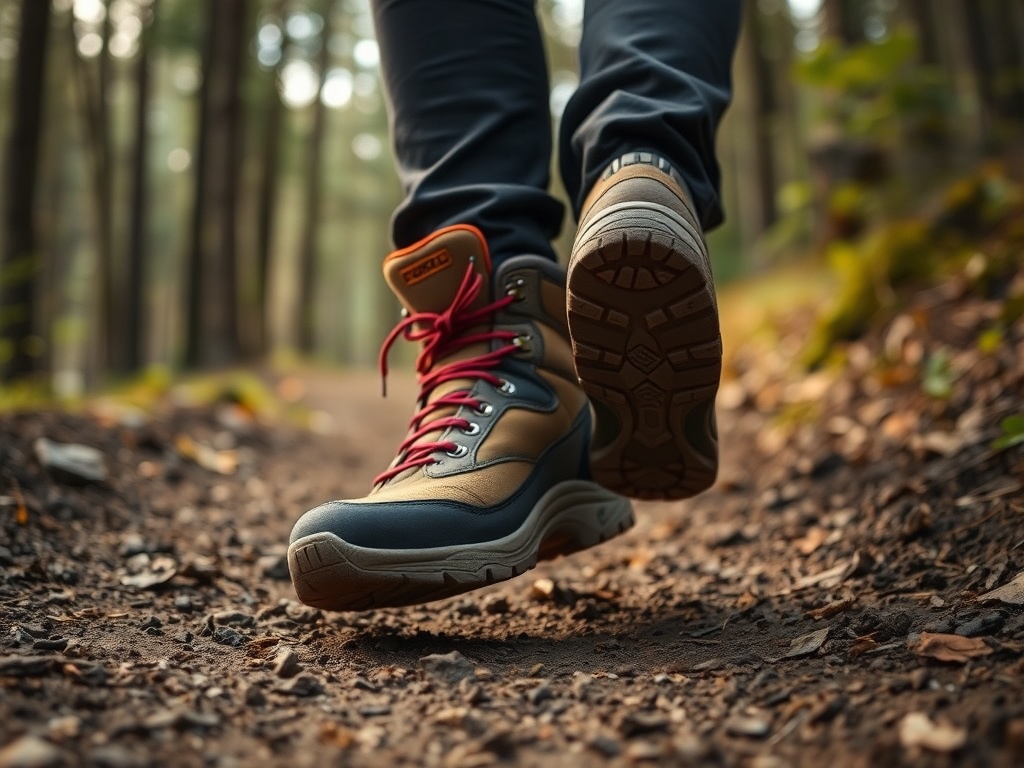
Here’s where it gets interesting: pacing isn’t just about energy—it’s about decision-making.
When you go out too fast, you don’t just get tired. You make worse choices:
- You skip breaks because you’re “trying to keep momentum”
- You drink less water to avoid stopping
- You rush navigation decisions
- You ignore early signs of fatigue or discomfort
Each of these seems small. Together, they compound. By the time you realize something’s off, you’re already behind on hydration, mentally drained, and physically taxed.
This is how minor discomfort turns into blisters, how a simple route becomes confusing, and how a short hike feels endless on the way back.
What “Starting Slow” Actually Looks Like
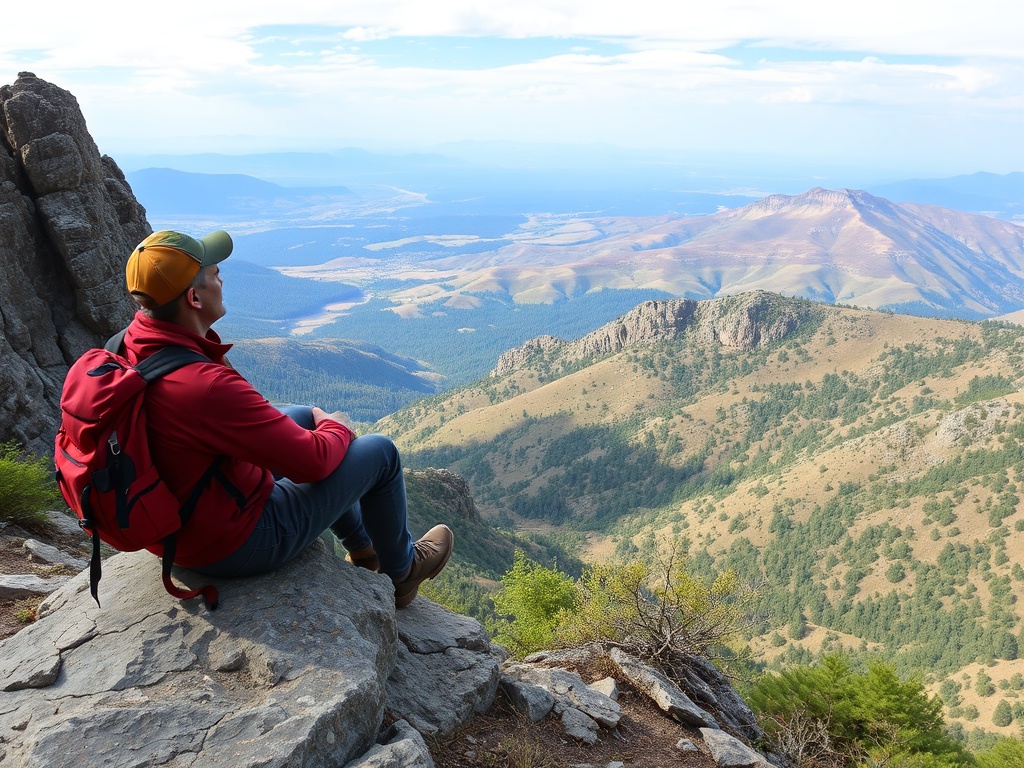
This isn’t about crawling along the trail. It’s about intentional pacing.
Here’s a practical way to apply it:
- First 15–20 minutes: Walk at a pace where you can comfortably hold a conversation without losing breath.
- Next 30 minutes: Gradually increase effort, but stay below the point where your breathing becomes forced.
- After the first hour: Settle into a sustainable rhythm you can maintain for the entire hike.
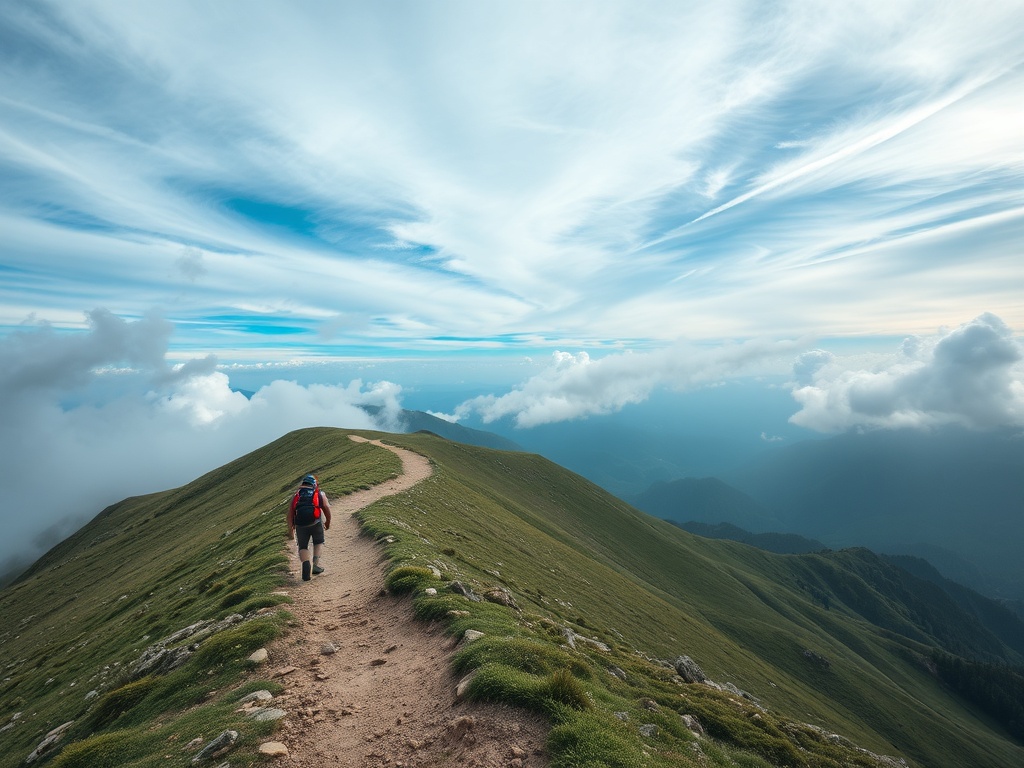
If you’re hiking uphill, this matters even more. Most people attack climbs too aggressively, then end up stopping frequently. A slower, steady climb often gets you there faster overall—with far less strain.
The Surprising Payoff: You’ll Actually Go Farther
Counterintuitive but true: starting slow often means finishing strong.
When your energy stays consistent, everything improves. Your footing is more precise. Your awareness stays sharp. You’re less likely to misjudge terrain or overcommit on tricky sections.
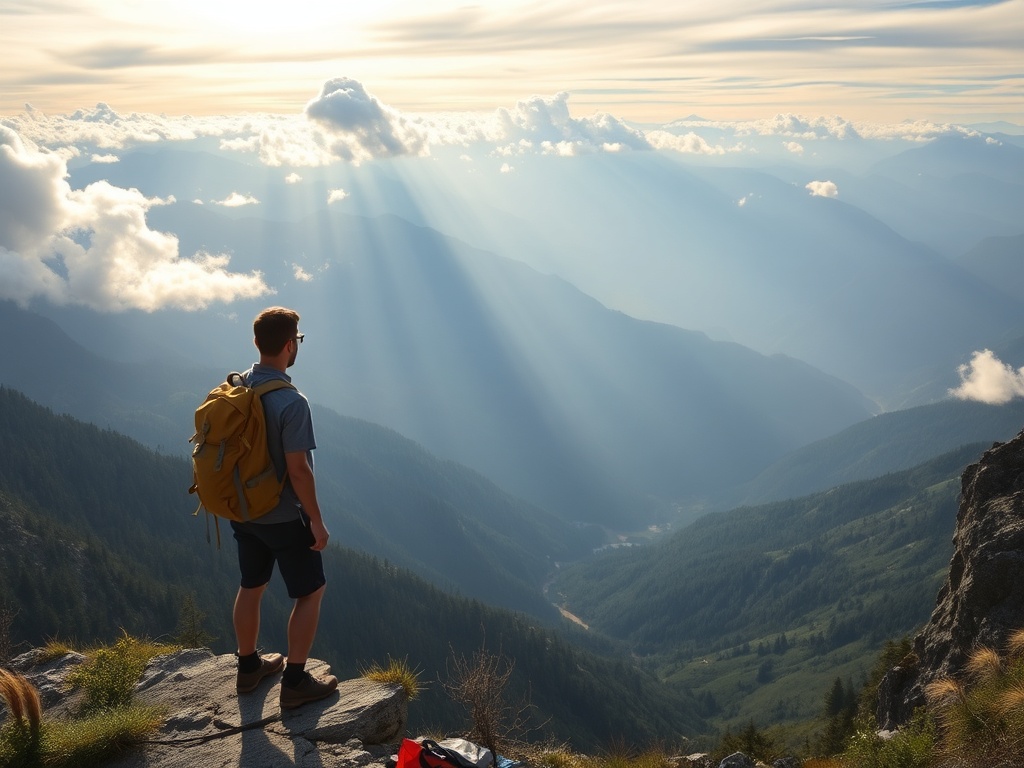
And here’s the part most people notice first—you enjoy the hike more. Instead of fighting fatigue, you stay present. You notice the landscape, the sounds, the small details that make hiking worth doing in the first place.
That’s not just a nice bonus. It’s the difference between a hike you endure and one you remember.
Why Most People Ignore This Advice
There’s a reason this tip doesn’t get the attention it deserves: it’s not exciting.
Buying new gear is fun. Planning routes is engaging. Pacing yourself? That feels almost invisible.
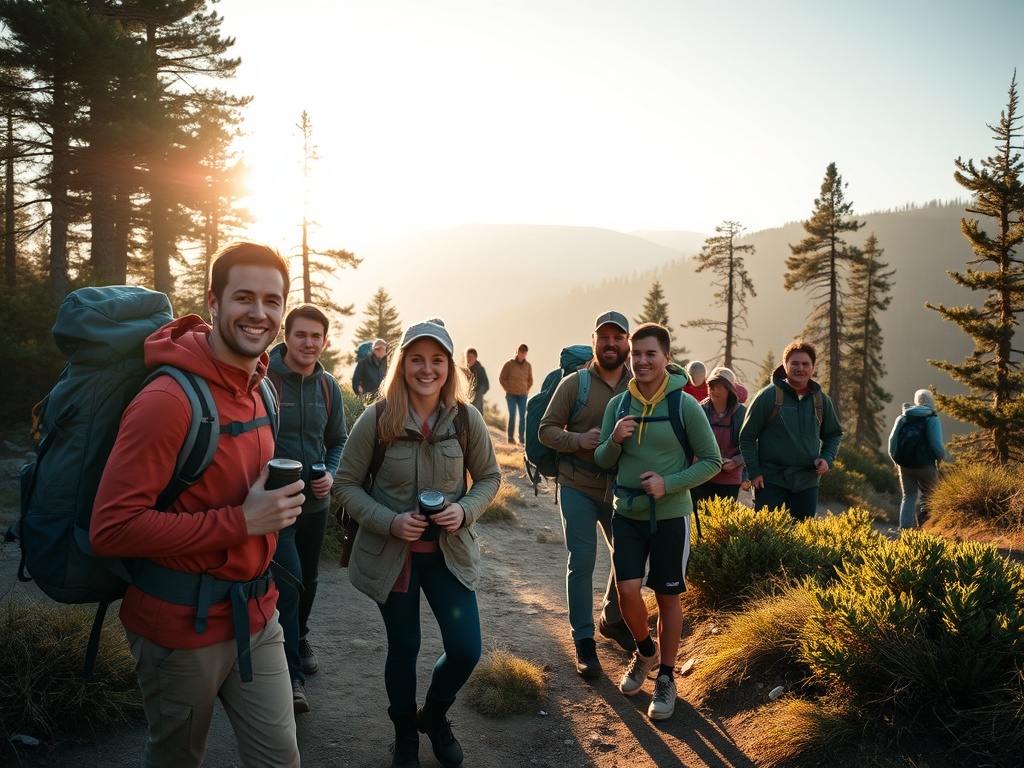
There’s also a psychological factor. Starting slow can feel like you’re “wasting time,” especially if other hikers pass you early on. But many of those same hikers will be the ones stopping frequently later—or turning back sooner than planned.
Confidence in pacing comes from experience. Once you’ve seen how much better a hike feels when you control your effort from the start, it becomes second nature.
How to Lock This Habit In
Knowing this tip is one thing. Actually applying it consistently is another.
Here are a few ways to make it automatic:
- Set a rule: The first kilometer is always your slowest.
- Use your breath as a guide: If you can’t speak in full sentences, you’re going too fast.
- Check in early: At the 10-minute mark, ask yourself if you’re pushing—or pacing.
- Ignore other hikers: Their pace has nothing to do with your endurance.
These small cues keep you honest when your instincts try to speed things up too soon.
The Bottom Line
You don’t need more gear, a better app, or a complicated strategy to improve your hikes.
You need a better start.
Begin slower than feels necessary. Let your body settle. Build your pace gradually. The payoff shows up later—when you still have energy, still feel strong, and still want to keep going.
That’s the difference between finishing a hike and finishing it well.