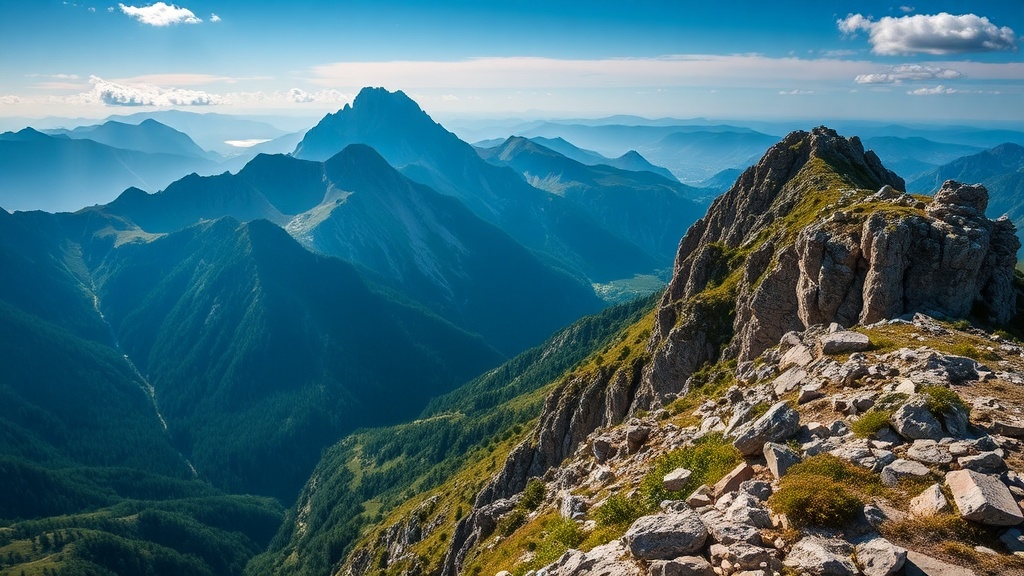
Top 5 Mountain Destinations for an Unforgettable Hiking Vacation
Banff National Park, Canada
The Dolomites, Italy
Torres del Paine, Chile
Mount Fuji, Japan
The Swiss Alps, Switzerland
The right mountain destination can turn a standard trip into the kind of vacation you talk about for years. This post covers five world-class mountain regions that deliver unforgettable trails, practical logistics, and scenery that justifies every mile on the approach. Whether you're planning your first alpine trek or looking to add a new peak to your list, you'll find specific trail recommendations, gear suggestions, and timing advice to help you book with confidence.
These aren't random places on a map. Each destination has been selected because it offers a complete hiking vacation experience—not just a single trail, but enough variety to fill a week or more with diverse terrain, reliable accommodations, and transport links that don't require a PhD to decode.
What Are the Best Mountain Destinations for Hiking Vacations?
The best mountain destinations for hiking vacations combine dramatic terrain with reliable infrastructure, clear trail systems, and seasonal accessibility that fits most schedules. Banff National Park, the Swiss Alps, Patagonia's Torres del Paine, Italy's Dolomites, and Nepal's Annapurna region all fit that description—each offering a distinct space and a different style of trek.
1. Banff National Park, Canadian Rockies
Canada's oldest national park serves up turquoise lakes, glacier-carved valleys, and wildlife sightings that feel almost scripted. The Parks Canada trail network is extensive, but the Lake Louise area draws the biggest crowds for good reason. The Plain of Six Glaciers trail delivers 14.6 kilometers of moderate hiking with teahouse stops and views of Mount Victoria. That said, the real magic happens early. Start before 7 a.m. and you'll have Moraine Lake's rockpile almost to yourself.
For multi-day treks, the Skoki Lodge route offers a backcountry experience without technical climbing. You'll cover about 22 kilometers over two days, staying in a historic log lodge that feels like a step back in time. Accommodations range from the Fairmont Chateau Lake Louise to basic hostels in Banff town. If you're investing in gear before the trip, the Osprey Atmos AG 65 is a pack worth considering for its ventilated suspension and load distribution on long approach days. Don't forget bear spray either—it's required in grizzly territory and available for rent in town.
2. Zermatt and the Swiss Alps
Switzerland doesn't do mediocre views. The trails around Zermatt feature the Matterhorn as a constant backdrop, and the hiking infrastructure is arguably the best on the planet. The Europaweg (Europa Trail) stretches for about two days between Grächen and Zermatt, crossing the Charles Kuonen Suspension Bridge—the longest pedestrian suspension bridge in the Alps. Here's the thing: Swiss trails are exceptionally well marked, so self-guided trekking is far more accessible here than in remote regions of North America.
The Swiss Tourism site lists hut-to-hut options that include half-board meals, which keeps pack weight down. Summer season runs roughly late June through September. A pair of Merrell Moab 3 boots handles the mixed terrain well, though many regulars prefer approach shoes for the well-maintained gravel paths. Transportation is seamless too. The Swiss Travel Pass covers trains, buses, and cable cars, meaning you can string together trailheads without renting a car.
3. Torres del Paine National Park, Patagonia
Chile's crown jewel is raw, windy, and absolutely unforgettable. The W Trek is the classic route—a five-day hike past Grey Glacier, French Valley, and the iconic granite towers. The catch? Weather in Patagonia changes fast. One hour it's calm and sunny; the next, you're leaning into 60-kilometer gusts. Booking refugios in advance is non-negotiable during peak season (December through February), and spaces sell out months ahead for the Vertice and Fantastico Sur networks.
Wildlife here includes guanacos, Andean condors, and if you're lucky, pumas. The park requires all hikers to carry a booking confirmation and follow strict Leave No Trace protocols. For navigation backup, the Garmin inReach Mini 2 adds satellite communication capability where cell service doesn't exist. It's not cheap, but peace of mind rarely is. Many trekkers also pack gaiters to keep blowing dust and gravel out of their boots during the exposed ridge walks.
4. The Dolomites, Italy
UNESCO-listed peaks, rifugios serving fresh pasta, and via ferrata routes that let non-climbers access exposed ridges—the Dolomites check boxes you didn't know you had. The Alta Via 1 is the most famous multi-day trek, running north to south through dramatic limestone formations. Most hikers complete it in about ten days, though you can easily section-hike shorter segments around Cortina d'Ampezzo or the Seceda ridgeline.
September is the sweet spot. The summer crowds thin out, the afternoon thunderstorm risk drops, and the larch trees start turning gold. Worth noting: Italian rifugios operate on a half-board system (dinner and breakfast included), so you don't need to carry a stove or food for the hut nights. The Black Diamond Distance Carbon Z trekking poles are popular here because they collapse small and handle the steep switchbacks efficiently. If you want to try a via ferrata, the Petzl Scorpio kit is a rental staple in local gear shops.
5. Annapurna Region, Nepal
Nepal is where mountain hiking becomes pilgrimage. The Annapurna Circuit isn't just a trail—it's a cultural path through Hindu lowland villages, Tibetan Buddhist settlements, and high-altitude desert. The trek crosses Thorong La Pass at 5,416 meters, which demands proper acclimatization. You'll need at least two rest days built into the itinerary, usually in Manang and at the pass base camp.
Teahouses line the route, offering dal bhat, ginger lemon honey tea, and basic lodging for a few dollars per night. The best trekking window is October to November, when monsoon clouds have cleared and visibility stretches for miles. For high-altitude sleeping, the REI Co-op Magma 15 sleeping bag provides the warmth-to-weight ratio needed at 4,000 meters without overstuffing your duffel. Altitude sickness is a real risk, so familiarize yourself with Diamox (acetazolamide) and talk to a travel doctor before departure.
When Is the Best Time to Plan a Mountain Hiking Vacation?
The best time depends entirely on which hemisphere you're targeting, but most iconic mountain trails hit their stride during local summer and early autumn. For the Canadian Rockies and the Alps, July through September offers the most stable weather and fully melted high passes. Patagonia flips that calendar—December to February delivers the longest days and the lowest chance of snow at elevation. Nepal's post-monsoon window (October to November) brings crisp air and clear summit views that photographers chase.
Shoulder seasons can save money, but they come with trade-offs. June in the Rockies often means muddy trails and lingering snowfields above 2,000 meters. April in Patagonia is quieter, yet some refugios close for the season and river crossings swell with meltwater. If you're flexible, late September in the Dolomites delivers the best balance of price, weather, and crowd levels. Early June in Switzerland is another underrated window—wildflowers are blooming, cable cars have just opened, and the summer crowds haven't arrived yet.
What Should You Pack for a Multi-Day Mountain Trek?
You should pack layers that handle temperature swings, a reliable rain shell, broken-in footwear, and a navigation backup that doesn't rely on cell service. The goal isn't to bring everything—it's to bring the right things and keep pack weight under roughly 20 percent of your body weight for comfort on long days.
Every mountain region has its own quirks. In Banff, you'll want a warm mid-layer even in July because alpine mornings are cold. In Patagonia, windproof pants and a hardshell jacket aren't optional—they're survival gear. The Swiss Alps are mercifully dry in summer, but afternoon thunderstorms can roll in fast above treeline. Nepal demands a solid down jacket and a water purification method because bottled water gets expensive at altitude.
| Category | Banff (3–5 Days) | Swiss Alps (Hut-to-Hut) | Torres del Paine (W Trek) | Dolomites (Alta Via 1) | Annapurna Circuit (12–16 Days) |
|---|---|---|---|---|---|
| Difficulty | Moderate | Moderate to Strenuous | Moderate to Strenuous | Strenuous | Strenuous |
| Best Season | July–September | July–September | December–February | June–September | October–November |
| Sleeping Arrangements | Backcountry camps / Lodges | Mountain huts (half-board) | Refugios / Camping | Rifugios (half-board) | Teahouses |
| Key Gear Priority | Bear spray, warm layers | Light pack, rain shell | Windproof clothing, trekking poles | Via ferrata kit (optional), poles | Sleeping bag, down jacket, water purification |
How Do You Choose the Right Destination for Your Fitness Level?
You choose by being honest about your current conditioning, your tolerance for altitude, and how much weight you're willing to carry day after day. Banff's day hikes and the Swiss hut-to-hut routes are the most approachable for casual hikers who walk regularly but don't train specifically for mountains. The W Trek and Alta Via 1 require full days on the trail—often six to eight hours—with significant elevation change. The Annapurna Circuit is the longest and most demanding of the five, both physically and logistically.
Here's the thing: a "moderate" rating in Nepal or Patagonia often feels harder than a "moderate" rating in the Alps because of weather exposure, trail surface, and altitude. If you're unsure, book a guided trip for your first attempt at a new mountain region. Companies like REI Adventures run fully supported departures to most of these destinations, handling permits, lodging, and local logistics so you can focus on the walking. A guide also reads the weather and knows when to push for the pass or wait a day.
Mountain hiking vacations reward preparation. Pick a destination that matches your calendar, budget, and fitness, invest in gear that fits properly, and build in a buffer day for weather delays. The trail will still be there tomorrow—and you'll enjoy it more with dry boots and a full night's sleep.