Why You Should Stop Booking Standard Resort Packages for Your Next Trek

The Myth of the All-Inclusive Mountain Retreat
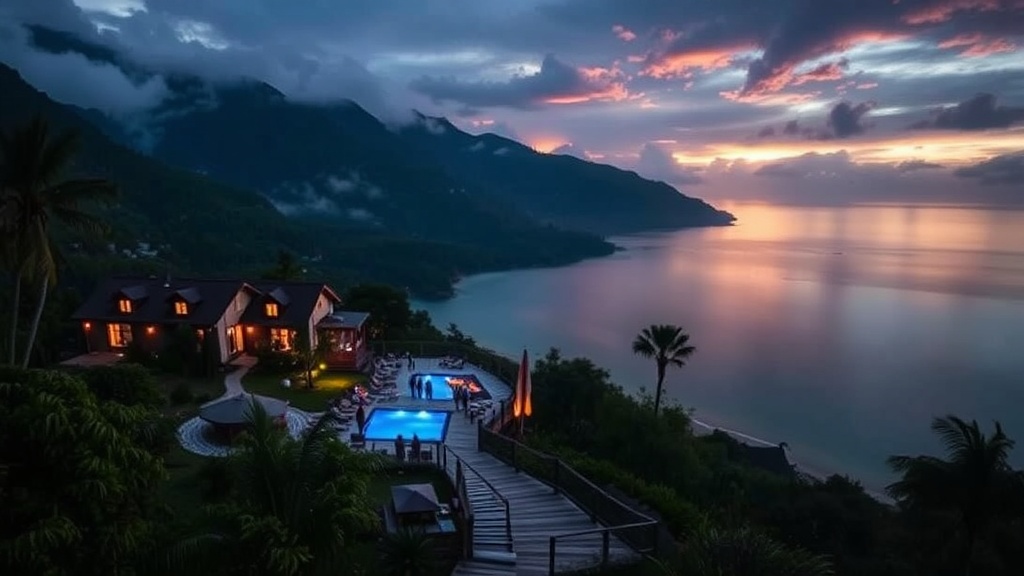
Many travelers assume that a high-end resort package is the best way to experience a mountain destination. They think that by paying a premium for a single booking, they'll secure the best guides, the finest local food, and the most seamless logistics. This is a mistake. While resorts offer comfort, they often create a bubble that isolates you from the actual heart of the region. You end up eating processed versions of local food and following pre-packaged routes that thousands of others have already trampled. True adventure starts when you step outside the resort gates and engage with the local infrastructure.
Instead of looking for a single entity to handle everything, you should be looking for a collection of local experiences. A truly great trip isn't a single product you buy; it's a series of connections you make. Whether you're heading to the Dolomites or the Andes, the best way to experience the terrain is through independent planning. This approach allows for much more flexibility—if a storm rolls in or a trail is closed, you aren't stuck waiting for a resort's scheduled activity. You can pivot instantly.
How Do I Find Authentic Local Guides?
If you want to avoid the tourist traps, you need to look where the locals go. Most people rely on big-name booking sites, but that's rarely where the real expertise lives. For instance, in regions like the Swiss Alps, local mountain guide associations are far more reliable than a general travel agency. You can find detailed information on professional standards and regional specialties through the International Federation of Mountain Guides Associations (IFMGA) at https://www.theifrmg.org/">https://www.theifrmg.org/">the IFMGA website. These professionals are vetted and deeply connected to the specific terrain.
When searching for guides, skip the sites that show generic stock photos. Look for names that are mentioned in local forums or regional hiking groups. You want a guide who knows the name of the valley, not just the name of the mountain. A local guide can teach you about the geology, the flora, and the history of the area in a way a standard tour group simply cannot. This is where the real value lies—in the nuances that aren't written in a brochure.
What Is the Best Way to Arrange Transport in Remote Areas?
One of the biggest hurdles for travelers is moving between trailheads and mountain villages. People often think they need a rental car, but in many parts of Europe or South America, a car is actually a hindrance. Public transportation in mountainous regions is often surprisingly efficient and much more scenic than a highway. Taking a local bus or a regional train allows you to see the landscape through the eyes of the people who live there. It also reduces your carbon footprint—a small but meaningful choice for any traveler.
If you're heading to a more remote area where public transit is sparse, look into local shared transport options. In many high-altitude regions, small-scale transport is the backbone of the economy. Instead of searching for a global ride-sharing app, check the local community boards or ask at your lodging. Often, there are scheduled shuttle services or even local carpool groups that are much more affordable and effective than trying to coordinate a private transfer. It's about being adaptable and staying aware of your surroundings.
Can I Plan a High-Altitude Trip on a Budget?
The idea that high-altitude trekking is only for the wealthy is a complete falsehood. While luxury lodges certainly exist, they are not the only way to access these regions. Many of the best hiking destinations offer affordable mountain huts, communal lodges, and even local homestays. These options are often much more rewarding than a hotel room. You get to share meals with other travelers and locals alike, fostering a sense of community that a private suite can't provide.
Consider the cost-saving benefits of eating at local markets or small village cafes rather than inside a hotel. Not only is the food fresher and more authentic, but it also supports the local economy directly. For example, when visiting the Patagonia region, staying in a 'refugio' (a mountain hut) is a rite of passage. It's much cheaper than a hotel and places you right in the middle of the action. Check out resources like Lonely Planet at https://www.lonelyplanet.com for tips on navigating these more affordable, authentic routes.
Essential Planning Checklist
| Phase | Action Item | Why It Matters |
|---|---|---|
| Research | Identify regional hiking associations | Ensures professional-grade safety |
| Logistics | Check local bus/train schedules | Reduces transport costs and complexity |
| Accommodation | Look for mountain huts or homestays | Provides authentic cultural immersion |
| Food | Identify local village markets | Supports local economy and budget |
When you plan your trip this way, you aren't just a tourist; you're a traveler. You're engaging with the world in a way that is respectful, sustainable, and far more interesting. It takes a bit more effort than clicking a "Book Now" button on a resort site, but the payoff—the stories, the connections, and the genuine sense of discovery—is well worth the extra work. Don't settle for the polished, sanitized version of a mountain vacation. Go find the real thing.