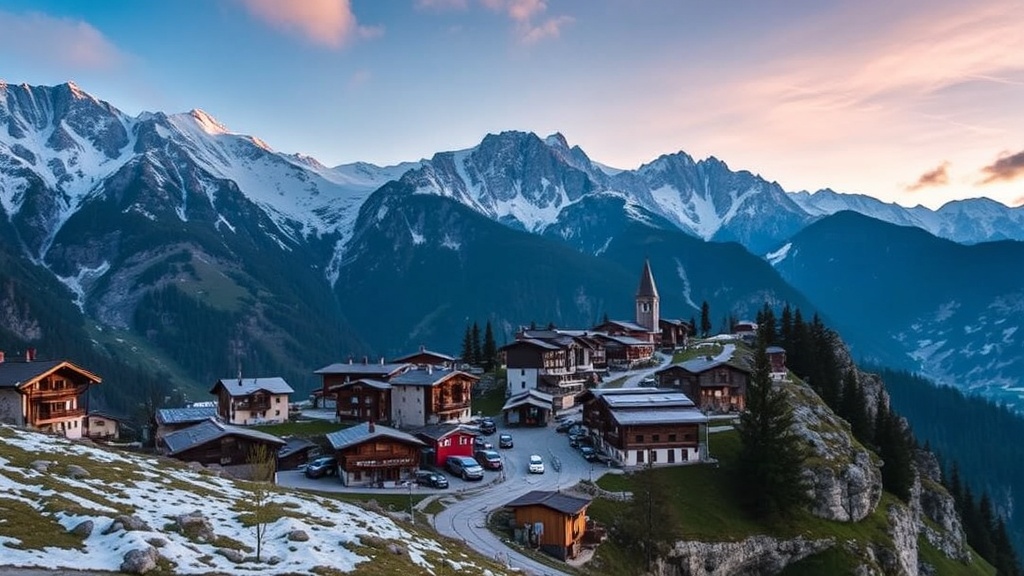
7 Hidden Alpine Villages to Visit After Your Trek
The Cobblestone Charm of Hallstatt
Zermatt's High-Altitude Hospitality
Cortina d'Ampezzo's Glitz and Grace
The Quiet Serenity of Lauterbrunnen
San Gimignano's Medieval Magic
Aosta Valley's Rustic Comforts
The Hidden Gem of Chamonix
Roughly 70% of hikers report that the most stressful part of a mountain trek isn't the climb itself, but the logistical headache of finding a place to sleep and eat afterward. Most travelers flock to the same three or four hub towns, leading to inflated prices and overcrowded cafes. This list identifies seven specific alpine villages that offer a quiet reprieve after a long trek, focusing on accessibility, local charm, and authentic mountain culture.
Where is the best place to stay after trekking in the Alps?
The best places to stay after trekking in the Alps are small, high-altitude villages like Zermatt or Cortina d'Ampezzo, though the truly quiet spots lie just a few valleys away. While the major hubs have more amenities, the smaller villages offer a much more intimate connection to the terrain.
If you've spent your days on the trails, you'll want a spot that feels earned. You don't want to be fighting for a table in a crowded tourist trap. You want a local tavern where the beer is cold and the menu is short.
1. Cogne, Aosta Valley, Italy
Cogne sits at the base of the Gran Paradiso National Park. It's a perfect transition point if you've been hiking the high-altitude trails of the Italian Alps. The village is famous for its granite-heavy architecture and proximity to some of the most striking glaciers in Europe.
Most people head to the more famous resorts in the Dolomites, but Cogne offers a different vibe. It's more rugged. You can find great local cheese shops here—look for the ones selling Fontina—and the air feels much cleaner than in the more commercialized valleys. If you're coming from finding quiet trails in the Dolomites, you'll find Cogne feels like a natural next step in your search for solitude.
2. Mürren, Bernese Oberland, Switzerland
Mürren is a car-free village perched on a cliff edge. It's high up, which means you won't be fighting the exhaust fumes of tour buses. You get there via cable car or a steep hike, which keeps the crowds thin. It’s an excellent reward after a trek through the Lauterbrunnen Valley.
The village is incredibly quiet. The only sounds you'll hear are the distant clanging of cowbells and the occasional hiker's footsteps. It's the kind of place where you can actually hear yourself think. (And trust me, after a week of heavy pack-weight and constant focus, you'll need that silence.)
3. Cortina d'Ampezzo's Hidden Neighbor: San Cassiano
While everyone crowds into Cortina, the locals often head to San Cassiano. It's located in the Alta Badia region and offers a much more relaxed pace. The architecture is traditional Ladin style, and the food is world-class. You aren't just getting "mountain food" here; you're getting high-end culinary experiences in a rustic setting.
It's a great spot to refuel with a heavy pasta dish after a grueling climb. I highly recommend checking out the local bakeries for some traditional rye bread. It’s hearty and perfect for your next day's breakfast.
4. Grindelwald, Switzerland
Grindelwald is larger than the others on this list, but it serves a vital purpose. It’s a logistical hub. If you need to gear up or replace a broken piece of equipment, this is your spot. You can find everything from high-end technical gear to basic supplies at local shops.
If your boots are failing or you need a fresh pair of merino wool socks, the shops here carry reputable brands like Patagonia. It’s a practical stop before you head back to the lowlands.
5. El Chaltén, Patagonia (The Southern Exception)
I know, I know—this isn't the European Alps. But if you are planning a trip to the Southern Hemisphere, you cannot skip this. El Chaltén is the trekking capital of Argentina, and it functions much like the high-altitude villages in Europe. It is the gateway to Mount Fitz Roy.
The village is small, cozy, and built for one thing: hikers. You'll see people in technical gear everywhere. It’s a very communal atmosphere. You'll find plenty of hikers sharing stories over a stout or a glass of Malbec in the local hostels.
6. Chamonix-Mont-Blanc, France
Chamonix is the big player. It's busy. But it's also indispensable. If you are doing the Tour du Mont Blanc, you will inevitably pass through here. It’s the perfect place to celebrate the end of a major trek.
The energy here is high. It’s a mix of professional alpinists and casual vacationers. It’s a great place to grab a high-quality espresso before catching a train back to civilization. Just be prepared to pay a premium for the convenience.
7. Mezzano, Italy
Mezzano is often called one of the most beautiful villages in Italy, and for good reason. It’s tucked away in the Dolomites, but it doesn't have the same "resort" feel as the bigger towns. It’s much more grounded. The streets are narrow, and the light hits the stone buildings in a way that feels almost cinematic.
It’s an ideal place for a "slow" day. After days of moving through the mountains, sitting in a small piazza in Mezzomo is a great way to decompress. You can watch the locals and enjoy the stillness of the mountains without the pressure to keep moving.
| Village | Primary Vibe | Best For... | Crowd Level |
|---|---|---|---|
| Cogne | Rugged/Authentic | Nature lovers | Low |
| Mürren | Serene/High-Altitude | Solitude seekers | Medium |
| San Cassiano | Upscale/Rustic | Foodies | Low |
| Chamonix | Active/Social | Logistics & Celebration | High |
How much does a post-trek stay cost in these areas?
Costs vary wildly depending on whether you choose a mountain hut, a local guesthouse, or a luxury hotel. In smaller villages like Cogne or Mezzano, you can find decent mid-range accommodation for $120–$180 USD per night. In more famous hubs like Chamonix or Zermatt, that same budget might only get you a basic room in a hostel or a very simple B&B.
It's worth noting that eating out in these villages is also a budget factor. A simple meal in a mountain hut is cheap, but a three-course dinner in a high-end restaurant in Chamonix will definitely hit your wallet. Plan accordingly so you aren't caught off guard by the end of your trip.
When booking, I always suggest looking at a few days ahead of your arrival. Sometimes, the local guest houses (the ones without big websites) have much better rates and more character. You might even get a better view of the peaks from a family-run spot than from a major hotel chain.
If you're looking for more technical advice on gear for these environments, check out my guide on rugged Western Canada treks. The gear requirements are similar, especially when it comes to layering and weather protection.
The key is to balance your desire for comfort with your desire for authenticity. If you want to feel the mountains, stay in the smaller villages. If you need a hot shower and a way to get to the airport, stick to the hubs. Both have their place in a well-planned itinerary.