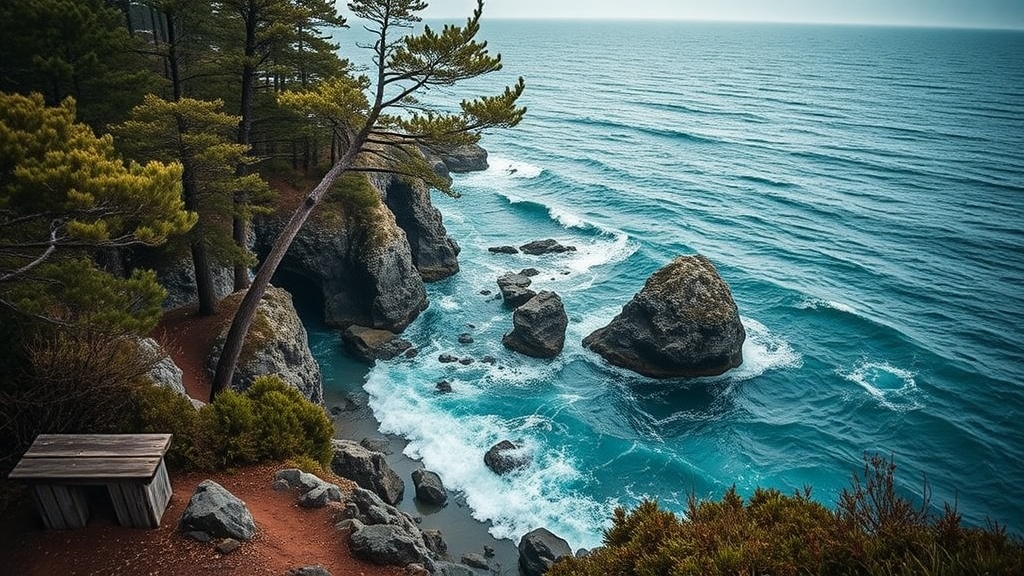
8 Remote Coastal Paths for a Sea Salt and Cedar Experience

The Wild Atlantic Way, Ireland
Big Sur Coastal Path, California
Great Ocean Road, Australia
The Cornish Coast Path, UK
Pacific Northwest Shorelines, USA
South African Garden Route, South Africa
New Zealand West Coast Tracks
The Atlantic Coast of Portugal
Roughly 70% of the Earth's surface is covered by ocean, yet humans spend the vast majority of their time inland. This post identifies eight specific, remote coastal paths where the intersection of old-growth cedar forests and salt spray creates a unique microclimate for hikers. We're looking at locations that offer solitude and raw natural beauty, far from the typical tourist boardwalks.
Finding a trail that feels truly untouched is getting harder. Most "coastal hikes" are actually paved paths near a Starbucks. These eight selections are different. They require actual planning, decent footwear, and a willingness to deal with a bit of mud.
Where Can You Find the Best Coastal Hikes in the Pacific Northwest?
The Pacific Northwest offers some of the most rugged, salt-drenched terrain in North America, specifically within the temperate rainforest zones. If you want to experience the true scale of the coast, you have to head toward the Olympic Peninsula or the rugged coast of British Columbia.
1. The Kalaloch Coast, Washington State
This isn't your standard beach walk. You'll be navigating massive drift logs and steep sea stacks. The air here smells intensely of decaying cedar and salt. It's heavy. If you're wearing something like the Salomon X Ultra hiking shoes, you'll appreciate the grip on the slippery rocks.
The trail is often interrupted by high tides. Always check the NOAA tide tables before you step out. Getting stuck on a sandbar is a bad way to end a trip.
2. West Coast Trail, Vancouver Island
This is the heavyweight champion of coastal hiking. It's a multi-day trek that requires serious logistics. You aren't just walking; you're hauling gear through mud, over wooden stairs, and around massive roots. It's a massive undertaking, but the payoff is a sense of isolation you can't find anywhere else.
The terrain is unpredictable. One day it's sun-drenched sand, the next it's a muddy bog. You'll want a reliable waterproof shell—I personally swear by the Arc'teryx Beta AR for these kinds of conditions. It's a bit of an investment, but it keeps you dry when the mist rolls in.
3. Cape Perpetua, Oregon
While slightly more accessible, the trails around Cape Perpetua offer a brutal, beautiful look at the Pacific. The "Spouting Horn" is a natural geological feature that shoots water high into the air. The sound is constant. It's loud, rhythmic, and incredibly grounding.
The views of the coastline from the higher elevations are unmatched. You can see the edge of the continent stretching out into the blue. It's a great place for photography, provided you have a sturdy tripod to combat the wind.
What Gear Do You Need for Coastal Hiking?
Coastal hiking requires a specific kit because you are dealing with high humidity, salt, and unpredictable wind. You can't just bring a light windbreaker and call it a day.
| Gear Category | Must-Have Item | Why It Matters |
|---|---|---|
| Footwear | Waterproof Hiking Boots | Prevents soaked feet from sea spray and puddles. |
| Outerwear | Hard Shell Jacket | Blocks wind and heavy coastal mist. |
| Navigation | Physical Topo Map | GPS can be spotty in deep, forested coastal valleys. |
| Protection | High-SPF Sunscreen | The reflection off the ocean increases UV exposure. |
Don't forget about your socks. I've learned the hard way that cotton is your enemy here. Stick to Merino wool—brands like Darn Tough make socks that can actually handle the moisture and prevent blisters.
4. Naismith Trail, Nova Scotia
Moving away from the Pacific, the Atlantic coast offers a different kind of salt experience. The air is cooler, and the vegetation is more stunted by the wind. The trails here are often rocky and uneven. It's a much more "rugged" feel than the lush forests of the West Coast.
The scenery is stark and beautiful. You'll see much more exposed granite and less dense cedar. It's a great place for those who prefer wide-open vistas over dense canopy.
5. The South West Coast Path, England
If you want a truly legendary coastal walk, this is it. It's much longer than the others on this list, but certain sections feel incredibly remote. You'll encounter steep cliffs and narrow paths that hug the edge of the Atlantic.
The weather is notoriously fickle. One minute it's bright, the next it's a gray drizzle. This is where a good Patagonia Torrentshell jacket becomes your best friend. It's lightweight but handles the dampness well.
6. The Coastal Path, Wales
This path offers a blend of dramatic cliffs and quaint, sleepy coastal villages. It's a bit more "civilized" than the West Coast Trail, but the technical sections are still quite demanding. The cliffs are high, and the wind can be quite aggressive.
It's a perfect way to see the UK without being stuck in a city. The views of the Irish Sea are stunning. If you're looking for something slightly more rugged, check out my post on finding quiet trails in other mountainous regions—the spirit of isolation is similar here.
7. Great Ocean Road, Australia
This isn't just a drive; there are incredible walking tracks that run alongside the famous Twelve Apostles. The limestone formations are breathtaking. The scale of the cliffs is genuinely intimidating.
The terrain is a mix of sandy beaches and steep, rocky climbs. It's a much warmer experience than the Pacific Northwest, but the salt spray is just as intense. You'll definitely want a good sun hat and high-quality eyewear.
8. The Wild Atlantic Way, Ireland
This is a massive stretch of coastline, and it's nothing short of epic. The green of the cliffs against the deep blue of the Atlantic is a color palette you won't forget. The paths can be narrow, and the weather is... well, it's Ireland. Expect rain.
The trails often lead through small fishing villages that feel like they've been frozen in time. It's a wonderful way to experience the local culture while getting your miles in. Just make sure your boots are broken in before you arrive—the uneven ground can be tough on the ankles.
The common thread among these locations is the sensory input. The smell of cedar, the taste of salt on your skin, and the constant sound of the tide. It's a specific kind of way to travel. It's not just about the distance covered; it's about the environment you're moving through. If you're planning a trip, don't just look at the distance on a map. Look at the weather patterns and the tide schedules. That's what makes the difference between a great hike and a miserable one.