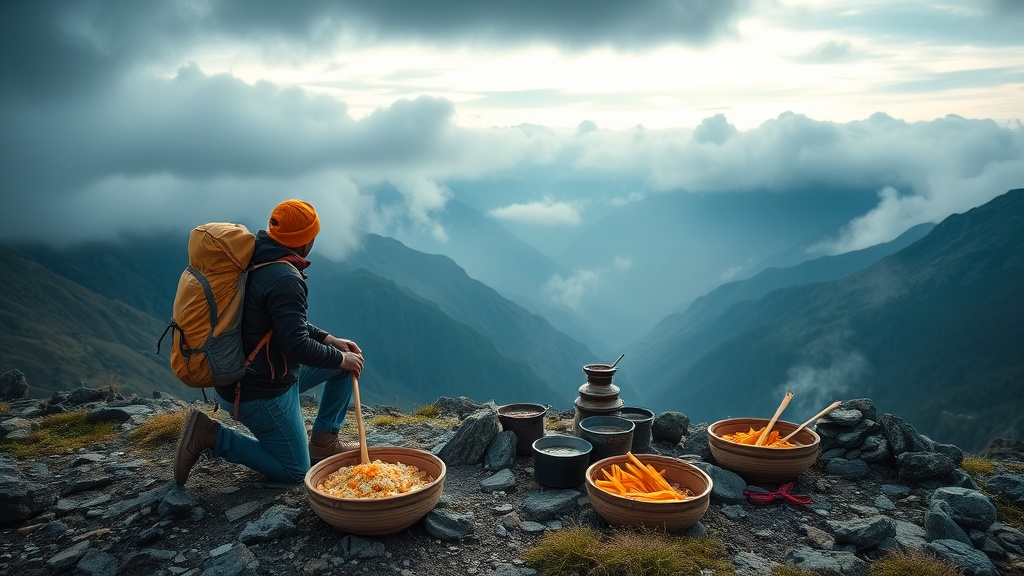
9 Traditional Dishes to Fuel Your Long Distance Trek

High-Altitude Barley Porridge
Mediterranean Olive Oil Bread
South American Quinoa Stew
Japanese Miso Soup Sets
Eastern European Pierogi
Middle Eastern Hummus and Pita
Southeast Asian Spicy Noodle Soups
Scandinavian Rye Bread and Smoked Fish
Andean Potato Varieties
A hiker reaches the halfway point of a grueling pass in the Andes, only to realize their energy has completely bottomed out. They aren't suffering from blisters or bad weather; they're suffering from a lack of actual calories. This list looks at nine traditional dishes from around the world that provide the specific macronutrients needed to keep legs moving through high-altitude or long-distance treks.
Nutrition on the trail isn't just about eating enough; it's about eating the right things at the right time. When you're out in the backcountry, your body demands more than just a quick sugar hit from a gummy bear. You need sustained energy. We're looking at real-world, culturally significant meals that have fueled human movement for centuries.
What Are the Best Foods for High-Altitude Trekking?
Complex carbohydrates and high-protein starchy foods are the best options for high-altitude trekking because they provide slow-release energy and help prevent muscle fatigue. While many hikers reach for modern energy bars, traditional mountain diets often rely on denser, more reliable staples.
1. Quinoa Porridge (Andes Mountains)
In the high reaches of the Andes, quinoa isn't just a trendy superfood—it's a survival staple. It's a complete protein, meaning it contains all nine essential amino acids. If you're trekking through Peru or Bolivia, look for a warm bowl of quinoa porridge. It's easy on the stomach and provides the steady glucose release you need when oxygen levels drop.
2. Tsampa (Himalayan Region)
Tsampa is a roasted barley flour that is a cornerstone of Tibetan culture. It’s incredibly lightweight, making it a perfect addition to a trekking pack. You mix it with butter tea to create a dense, nutrient-rich paste. It's basically the original high-performance trail food. (And yes, it tastes much better than the dehydrated meal bars you find at big-box retailers.)
3. Congee (Southeast Asia)
When trekking through the humid, tropical trails of Southeast Asia, you need something that hydrates and nourishes simultaneously. Congee—a savory rice porridge—is the gold standard. It’s easy to digest, which is vital when your body is working hard to regulate temperature in the heat.
Comparison of Traditional Trekking Foods
| Dish | Primary Benefit | Best For |
|---|---|---|
| Quinoa Porridge | Complete Protein | High-Altitude Stamina |
| Tsampa | Slow-Release Energy | Lightweight Packing |
| Congee | Hydration/Digestion | Humid/Tropical Climates |
| Miso Soup | Electrolytes | Recovery |
How Do Traditional Foods Help with Recovery?
Traditional recovery foods help with recovery by replenishing glycogen stores and providing electrolytes lost through sweat. After a long day on the trail, your muscles are essentially depleted batteries that need a specific kind of recharge.
4. Miso Soup (Japan)
If you've just finished a long trek through the Japanese Alps, a hot bowl of miso soup is a lifesaver. The fermented soybean paste provides a hit of sodium, which is vital for replacing what you lost through perspiration. It's also great for gut health. It's not just comfort food—it's functional fuel.
5. Dal Bhat (Nepal)
You'll hear many trekkers talk about the "power of Dal Bhat." This combination of lentil soup (dal) and seasoned rice (bhat) is the ultimate fuel for the Himalayas. It offers a perfect balance of protein and carbohydrates. It's also quite inexpensive, which helps keep your trekking budget intact.
6. Gallo Pinto (Central America/Costa Rica)
This is a classic breakfast of rice and beans. For a long-distance trekker, it provides a dense caloric foundation for the day ahead. The combination of legumes and grains ensures you're getting a solid protein profile. It’s much more substantial than a simple bowl of fruit.
Can Traditional Dishes Replace Modern Energy Bars?
Traditional dishes can replace modern energy bars because they offer more complex micronutrients and better satiety levels. While an energy bar is great for a 15-minute boost, a real meal prevents the "bonk" that happens when your blood sugar crashes mid-afternoon.
7. Polenta (Italian Alps/Dolomites)
Polenta is a thick, creamy cornmeal porridge. It's a heavy hitter for energy. If you're navigating steep, rocky terrain, those extra calories are non-negotiable. It's often served with cheese or hearty vegetables, providing the fats and minerals needed to keep your joints and muscles functioning.
8. Shakshuka (North Africa/Middle East)
This dish of eggs poached in a spiced tomato sauce is a powerhouse of vitamins and protein. The spices—like cumin and paprika—can actually help with digestion. If you're camping and have a portable stove, this is a much more satisfying way to start a day than eating a cold granola bar.
9. Porridge with Oat Groats (Northern Europe/Scandinavia)
Oat-based porridges are incredibly high in beta-glucan, a type of soluble fiber. This helps slow down digestion and keeps you feeling full longer. For those walking the long trails in Scandinavia or even the rugged paths in remote coastal areas, this sustained energy is vital.
It's easy to get caught up in the convenience of modern "trail food." You can grab a Patagonia jacket, a high-end GPS watch, and a bag of dehydrated beef jerky, and feel like you're fully prepared. But often, we forget that the most effective fuel is the stuff that has been tested by human bodies for thousands of years.
The catch? You can't always carry a kitchen in your backpack. However, even if you aren't cooking from scratch, understanding the nutritional value of these foods helps you choose better options when you're staying at local tea houses or mountain lodges. If you're planning a trip to the Himalayas, for instance, don't just look for "food"—look for the ingredients that actually matter for your altitude adjustment.
If you're interested in how to prepare for the technical side of hiking, you might find this tip on avoiding common mistakes useful for your next outing. Proper fueling is just one part of a successful expedition, but it's arguably the most important one for your physical longevity on the trail.