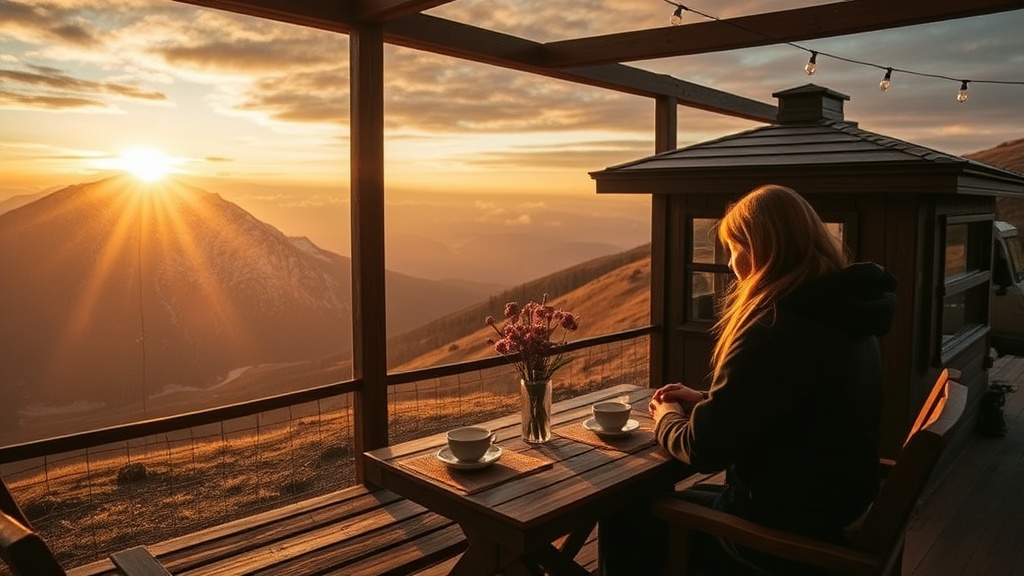
Finding Quietude in the High Alpine Tea Houses

Are you looking for a way to experience high-altitude scenery without the logistical headache of carrying a heavy multi-day pack? This guide explores the logistics, costs, and cultural nuances of staying in high alpine tea houses, specifically focusing on how to plan a trip that prioritizes silence and solitude over crowded tourist routes. You'll find practical advice on gear, booking strategies, and how to choose destinations that offer actual quietude rather than just a scenic view.
What is a High Alpine Tea House?
A high alpine tea house is a small, often remote lodging facility located along trekking routes that provides basic meals and sleeping accommodations to hikers. These structures—ranging from simple stone huts in the Himalayas to more structured lodges in the Alps—allow travelers to hike deep into the mountains without the weight of a full camping setup. It's a middle ground between a luxury mountain resort and a grueling wilderness trek.
The experience varies wildly depending on where you go. In some regions, you might find a cozy room with a wood-burning stove and a hot cup of herbal tea. In others, it's a communal bunk room where the only luxury is the view from your window. (I've personally found that the simpler the setup, the more rewarding the experience feels.)
If you've ever wondered why people bother with these instead of just staying in a hotel at the base of a mountain, it's about the proximity to the terrain. You aren't just visiting the mountains; you're living in them for a few days. This approach is a much better way to connect with nature than booking standard resort packages and driving back to a city every night.
How Much Does a Tea House Stay Cost?
The cost of a tea house stay typically ranges from $15 to $50 USD per night for basic lodging, though prices fluctuate based on altitude and regional popularity. Most tea houses operate on a model where you pay a small fee for your room and then pay separately for every meal and hot beverage you consume. This can be a bit of a shock if you aren't prepared for the incremental costs of bottled water or extra snacks.
To help you budget, I've broken down the typical daily expenses for a mid-range tea house experience below:
| Expense Item | Estimated Cost (USD) | Notes |
|---|---|---|
| Basic Room (Shared/Private) | $15 - $30 | Often includes a simple mattress and a blanket. |
| Standard Meals (3 per day) | $15 - $25 | Expect hearty, simple food like lentils, rice, or soup. |
| Hot Drinks/Tea | $2 - $5 | Prices rise as you get higher in elevation. |
| Hot Showers | $3 - $7 | Often an additional fee per session. |
Keep in mind that as you climb higher, the cost of everything goes up. This is because every single item—from a single potato to a liter of fuel—has to be carried up by a human or a pack animal. It's a logistical reality of high-altitude living. Don't forget to bring some cash; most of these places don't take credit cards or digital payments. You'll need local currency in small denominations.
Which Gear is Necessary for Tea House Trekking?
The most important gear for a tea house trek is a lightweight daypack or a small trekking pack, as you won't be carrying a heavy tent or a full cooking kit. While you aren't a "wild" camper, you still need to be prepared for changing weather and the lack of amenities. Even if a tea house has a roof, the temperature inside can drop significantly once the sun goes down.
Even though you aren't sleeping in a tent, I highly recommend bringing a lightweight sleeping bag or a high-quality liner. Most tea houses provide basic bedding, but it's often not enough to keep you warm during a freezing mountain night. I always pack a Patagonia Nano Puff or a similar lightweight down jacket for these situations. It's much easier to layer up in a small room than to try and stay warm with just a thin blanket.
Here is a checklist of things you should definitely pack:
- Lightweight Down Jacket: For those chilly evenings in the communal dining areas.
- Sleeping Bag Liner: To ensure hygiene and extra warmth in shared rooms.
- Portable Power Bank: Outlets are rare and often limited to one per room.
- Quick-Dry Clothing: You'll likely be washing small items in a sink.
- Reusable Water Bottle: Many tea houses offer water purification tablets or boiled water.
One thing to watch out for: don't overpack. Since you are likely walking to these locations or carrying your gear via a porter, every ounce matters. You want to be mobile and light. If you're looking for more destinations that favor this kind of light, intentional travel, check out these destinations that reward travelers who skip the classics.
How Do I Find Quiet Tea Houses?
Finding quietude requires choosing routes that are off the beaten path and avoiding the most famous "trekking circuits" during peak seasons. The most popular routes—like the Everest Base Camp trek or the classic routes in the Swiss Alps—are often crowded with hikers and the noise of commercial activity. To find peace, look for secondary trails or "buffer zones" around the major hubs.
The key is timing and location. If you want to avoid the crowds, don't go during the height of the summer or the primary climbing season. Instead, look for "shoulder seasons." These are the periods just before or just after the peak season. You might face slightly more unpredictable weather, but the trade-off is a much more solitary experience. You'll find more moments of actual silence when you aren't dodging dozens of other hikers on a narrow path.
Another strategy is to look for "end-of-the-line" tea houses. These are the lodges located at the furthest reaches of a trail system. Most people stop at the major junctions, leaving the final few miles of the trek much quieter. It’s a bit more work to get there, but the reward is a level of isolation you won't find at the main hubs. It’s the difference between being a tourist and being a traveler.
If you're interested in exploring more remote areas that offer deep connection to the land, you might enjoy reading about high-altitude villages that offer more than just a view. These locations often provide a much more authentic look at mountain life than the more commercialized trekking routes.
One final tip: always check the official Wikipedia entry or local government tourism site for the specific region you are visiting. They often list the current status of trails and any seasonal closures. Knowing the official regulations can save you a lot of frustration when you arrive at a mountain pass only to find it closed for the season.
When you're up there, the wind is often the only thing you'll hear. That's the goal. It's not about the luxury of the room; it's about the luxury of the silence. It's a different kind of wealth, one that you can't find in a standard hotel room in Calgary or anywhere else.