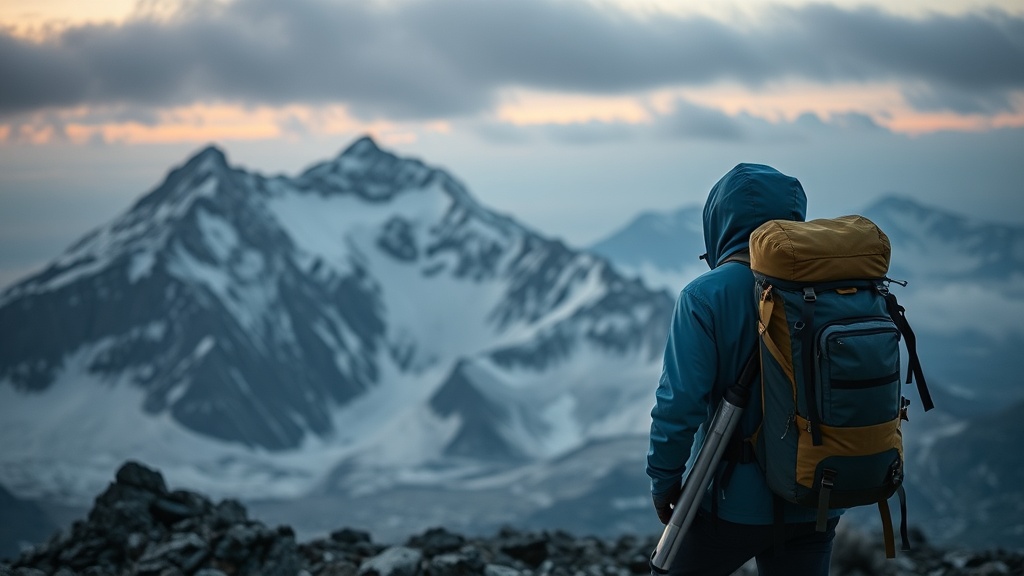
Packing a Lightweight Kit for High Altitude Trekking

At elevations above 3,000 meters, the air contains significantly less oxygen, and even a slight increase in weight in your pack can feel twice as heavy due to the physical strain of hypoxia. This post breaks down how to select lightweight gear that balances weight reduction with safety and thermal protection. You'll find specific advice on layering, weight-to-warmth ratios, and the specific equipment needed to stay safe when the air gets thin.
What is the Best Layering System for High Altitude?
The most effective layering system for high-altitude trekking relies on a three-part approach: a moisture-wicking base, an insulating mid-layer, and a windproof outer shell. At high altitudes, the weather changes in minutes—one moment you're sweating under a heavy pack, and the next, you're shivering in a freezing wind. You need pieces that can be added or stripped away instantly.
Start with a base layer made of Merino wool rather than synthetic polyester. Merino, like the Smartwool Active line, manages moisture and regulates temperature much better than cheaper synthetics. It also stays warmer even when damp—a lifesaver if you're caught in a sudden mountain downpour.
For your mid-layer, don't just grab any fleece. Look for high-loft insulation that provides warmth without the bulk. The Patagonia Nano Puff or a lightweight down jacket is a standard for a reason. Down is incredibly light, but it loses its loft if it gets wet. If you're trekking in high-humidity or rainy environments, a synthetic insulation like Arcteryx Atom might be a smarter bet.
Your outer shell must be a true hardshell. It isn't just about rain; it's about blocking the wind that strips heat from your body. A Gore-Tex membrane is the industry standard for a reason—it keeps the wind and water out while letting your sweat escape. If you use a cheap raincoat, you'll likely end up soaked from the inside out due to condensation.
The Layering Hierarchy
- Base Layer: Merino wool or high-end synthetic (Moisture management).
- Mid-Layer: Down jacket or heavy fleece (Heat retention).
- Outer Layer: Waterproof/breathable shell (Wind and moisture protection).
- Accessories: Lightweight gloves, a warm beanie, and a buff.
How Much Weight Should a High-Altitude Pack Weigh?
A well-packed high-altitude kit should ideally weigh between 10kg and 15kg (22 to 33 lbs) for most experienced trekkers. While a lighter pack is always easier on the lungs, you cannot sacrifice safety for weight. At high altitudes, you need certain "non-negotiable" items that add weight but save lives.
The biggest mistake I see is people trying to "lighten" their pack by removing safety gear. That's a recipe for disaster. You might skip a heavy tent, but you should never skip a high-quality emergency bivvy or a reliable stove. If you're worried about weight, focus on the weight of your food and water rather than your gear. High-calorie, lightweight snacks are your best friend.
I often suggest looking at CDC guidelines on altitude sickness to understand why your body needs more resources at these heights. You'll be burning through glucose much faster than you do at sea level. If you're eating heavy, water-dense foods, you're just adding unnecessary weight to your spine.
Check out my previous post on fueling your long-distance trek for ideas on how to pack high-density nutrition that won't weigh you down.
| Item Category | Heavy (Standard) | Lightweight (Optimized) |
|---|---|---|
| Sleeping Bag | 2.5kg (Standard Down) | 0.9kg (Ultralight Down) |
| Tent | 3.0kg (3-Season) | 1.2kg (Single Wall/Lightweight) |
| Cooking System | 1.5kg (Jetboil/Full Kit) | 0.5kg (Minimalist Stove/Titanium) |
| Footwear | 1.2kg (Heavy Boots) | 0.7kg (Trail Runners/Light Hikers) |
Can You Use Ultralight Gear for Safety?
Yes, you can use ultralight gear safely as long as you don't compromise on the "Big Three": shelter, sleep system, and pack. Many people think "ultralight" means "fragile," but modern gear technology has changed that. You can have a pack that weighs very little without being at risk during a storm.
The trick is choosing the right materials. Instead of heavy canvas or thick nylon, look for high-tenacity fabrics. For example, a Durston X-Mid tent provides incredible space and stability while remaining significantly lighter than traditional mountaineering tents. It’s about being smart, not just being small.
One thing to watch out for is the "weight-to-durability" trade-off. If you're trekking through jagged, rocky terrain in the Himalayas, a super-thin tent might tear on the first sharp stone. In those cases, I'd rather carry an extra 500 grams of a more durable tent than deal with a shredded shelter in the middle of the night. It's a balance of risk management.
Don't forget your feet. People often try to save weight by wearing lightweight trail runners, which is fine for the trek itself, but if you're camping at high altitudes, your feet will get cold. I always recommend a pair of heavy wool socks and perhaps even a lightweight camp shoe to let your feet recover. This isn't "extra" weight—it's recovery gear.
If you find yourself needing to reward yourself after a long, heavy push, you might want to look into high-altitude tea houses. They offer a much-needed way to refuel and warm up without carrying a full kitchen in your pack.
When planning your kit, always prioritize the items that keep you alive. A lightweight stove might save you weight, but a reliable way to melt snow for water is non-negotiable. If your stove fails at 4,000 meters, you're in real trouble. Always carry a backup method for water purification or a secondary heat source if your weight budget allows for it.
The goal isn't to own the lightest gear on the planet. The goal is to have a kit that allows you to move efficiently through thin air without being weighed down by unnecessary bulk. Every gram you cut from your pack is a gram you don't have to carry up a mountain.
Steps
- 1
Prioritize Layering Systems
- 2
Choose Ultralight Materials
- 3
Optimize Your Pack Volume
- 4
Test Gear at Lower Elevations