Tracing Ancient Trade Routes Through the High Atlas Mountains
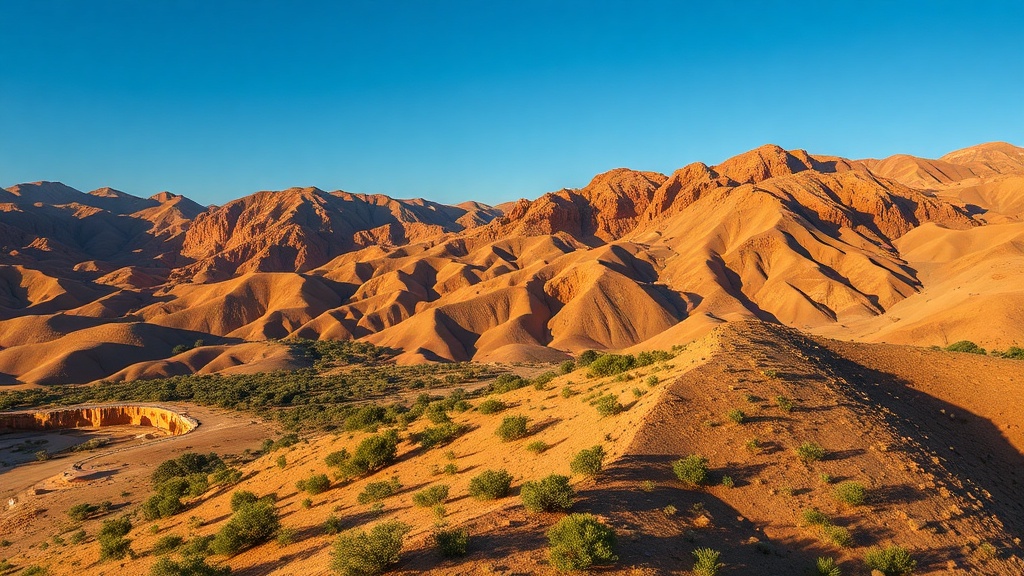
The air at 3,500 meters is thin, dry, and carries the scent of crushed juniper and woodsmoke. Below the jagged peaks of the High Atlas, the valleys turn a deep ochre as the sun dips, revealing the ancient paths that once connected sub-Saharan Africa to the Mediterranean. This guide explores the logistical realities of trekking the historical trade routes through Morocco's High Atlas Mountains, focusing on seasonal timing, gear requirements, and the cultural nuances of the Berber villages along the way.
Tracing these routes isn't just about the physical climb; it's about understanding the geography of commerce. These paths were carved by salt caravans and spice traders long before modern hiking boots ever touched the scree. If you want to experience this, you need more than just a good pair of boots—you need a plan that respects the altitude and the local customs.
When is the best time to trek the High Atlas trade routes?
The ideal window for trekking the High Atlas is between April and June or September and October. During these months, the temperatures are mild enough for strenuous hiking, and the extreme heat of the Moroccan summer hasn't yet turned the valleys into ovens. If you try to go in July, the sun is brutal (and I mean truly punishing), and the lack of shade on the higher passes can be dangerous.
Winter is a different story entirely. While some lower-altitude paths remain accessible, the high passes are often buried under heavy snow and subjected to fierce winds. Unless you are an experienced mountaineer with technical gear, stay away from the high passes between November and March. For most hikers, the spring thaw provides the best balance of water availability in the streams and manageable trail conditions.
Here is a quick breakdown of what to expect by season:
| Season | Temperature (Day) | Trail Condition | Difficulty Level |
|---|---|---|---|
| Spring (April-June) | 15°C - 25°C | Mild, wildflowers in bloom | Moderate |
| Summer (July-Aug) | 30°C+ | Dry, dusty, very hot | High (Heat exhaustion risk) |
| Autumn (Sept-Oct) | 10°C - 22°C | Stable, clear skies | Moderate |
| Winter (Nov-March) | < 5°C | Snow/Ice, high altitude risk | Extreme |
How much does a guided trek in Morocco cost?
A professional guided trek through the High Atlas typically costs between $50 and $150 USD per day, depending on the level of luxury and the size of your group. This price usually includes a local guide, a mule driver, and your accommodation in Berber gites (traditional guesthouses) or mountain refuges. If you are traveling solo, hiring a guide is highly recommended—not just for navigation, but because many of the historical paths are poorly marked and can disappear during heavy rains.
Don't forget to budget for the small things. While the main trek cost might be covered by a tour operator, you'll want extra cash for tips, small village purchases, and any specialized gear you might need to buy locally. I always suggest carrying a mix of Moroccan Dirhams (MAD) and a few Euros for emergencies, though the local economy relies heavily on cash. You won't find a credit card machine in a mountain village halfway up a pass.
Worth noting: If you are planning a multi-day trek, you should look into the official Morocco tourism website for up-to-date information on regional travel advisories and local regulations. It's better to be safe than sorry when dealing with remote mountain-side logistics.
If you're worried about your weight, check out my previous post on packing a lightweight kit for high altitude trekking. In these mountains, every extra ounce feels like a pound after six hours of climbing.
What gear is necessary for high-altitude Atlas trekking?
You need high-quality, moisture-wicking layers and footwear that can handle technical, rocky terrain. The terrain in the Atlas is much more rugged than the soft trails of the Appalachians or even parts of the Alps. You'll encounter loose scree, large boulders, and steep gradients that require a sturdy boot with significant ankle support.
I highly recommend bringing a high-quality down jacket or a technical mid-layer like the Patagonia Nano Puff or a similar synthetic insulation piece. Even if it’s hot in the valley, the temperature drops significantly as soon as the sun goes down or as you gain altitude. A lightweight shell is also non-negotiable; mountain weather changes on a dime, and a sudden storm can turn a pleasant afternoon into a survival situation.
Here is my essential gear checklist for this specific environment:
- Sturdy Hiking Boots: Mid-to-high cut with a Vibram sole or similar grip.
- Trekking Poles: These are a lifesaver on the long descents into the valleys.
- Hydration System: A 2-liter bladder or bottles with electrolyte tablets (water can be scarce).
- Sun Protection: High SPF sunscreen, a wide-brimmed hat, and polarized sunglasses.
- Layering System: Base layers, a fleece, and a windproof/waterproof outer shell.
One thing I've learned the hard way: don't skimp on your socks. Blisters are the fastest way to end a trip prematurely. I always pack at least three pairs of Merino wool socks (like Darn Tough) to ensure I always have a dry, clean pair. If you find yourself struggling with nutrition on the trail, reading up on 9 traditional dishes to fuel your long distance trek can give you some ideas for high-energy snacks that are easy on the stomach.
The cultural aspect of the trek is just as important as the physical preparation. You aren't just walking through a landscape; you're walking through a living, breathing culture. The Berber (Amazigh) people have lived in these mountains for centuries, and their way of life is deeply tied to these routes. When you pass through a village, it's customary to offer a greeting. A simple "Salam Alaykum" goes a long way.
Respecting local customs is vital. For instance, when entering a home or a small community space, it's polite to remove your shoes if you see others doing so. Also, keep in mind that photography in some remote villages can be sensitive; always ask for permission before snapping a photo of a person or their home. It's a small gesture that shows you're a guest, not just a tourist passing through.
The actual hiking is a rhythmic, slow process. You aren't racing for a summit; you're following the footsteps of those who carried salt and tea through these passes for generations. The pace is dictated by the mules and the heat. If you try to push too hard, the altitude will catch up with you. Listen to your body. If your breathing becomes labored or you feel a headache coming on, stop. The mountains aren't going anywhere.
The views are often the reward, but the real magic is in the silence. Away from the noise of Marrakech, the High Atlas offers a level of stillness that is hard to find elsewhere. It's a place to disconnect from the digital world and reconnect with the physical reality of the earth beneath your feet. Just remember to bring a reusable water bottle—plastic waste is a growing problem in these high-altitude ecosystems, and we need to do our part to keep these routes pristine.